Sometimes the best discoveries happen because someone simply says, “Let me show you something.”
That is exactly what happened when my sweet friend, Denise Watkins, the Fun Director of Sky-Vue Skateland, drove me through an area of Rocky Mount known as Englewood, a part of Rocky Mount I have never fully seen, though I have danced around its edges since moving here.
Driving slowly into the neighborhood, I slipped through a time warp.
The world I had left felt like the rush of traffic, the kind that at night becomes long white streams of light in a photographer’s camera. Here, everything changes.
Like Lucy in The Lion, the Witch and the Wardrobe, I had climbed through the back of a wardrobe into another world.
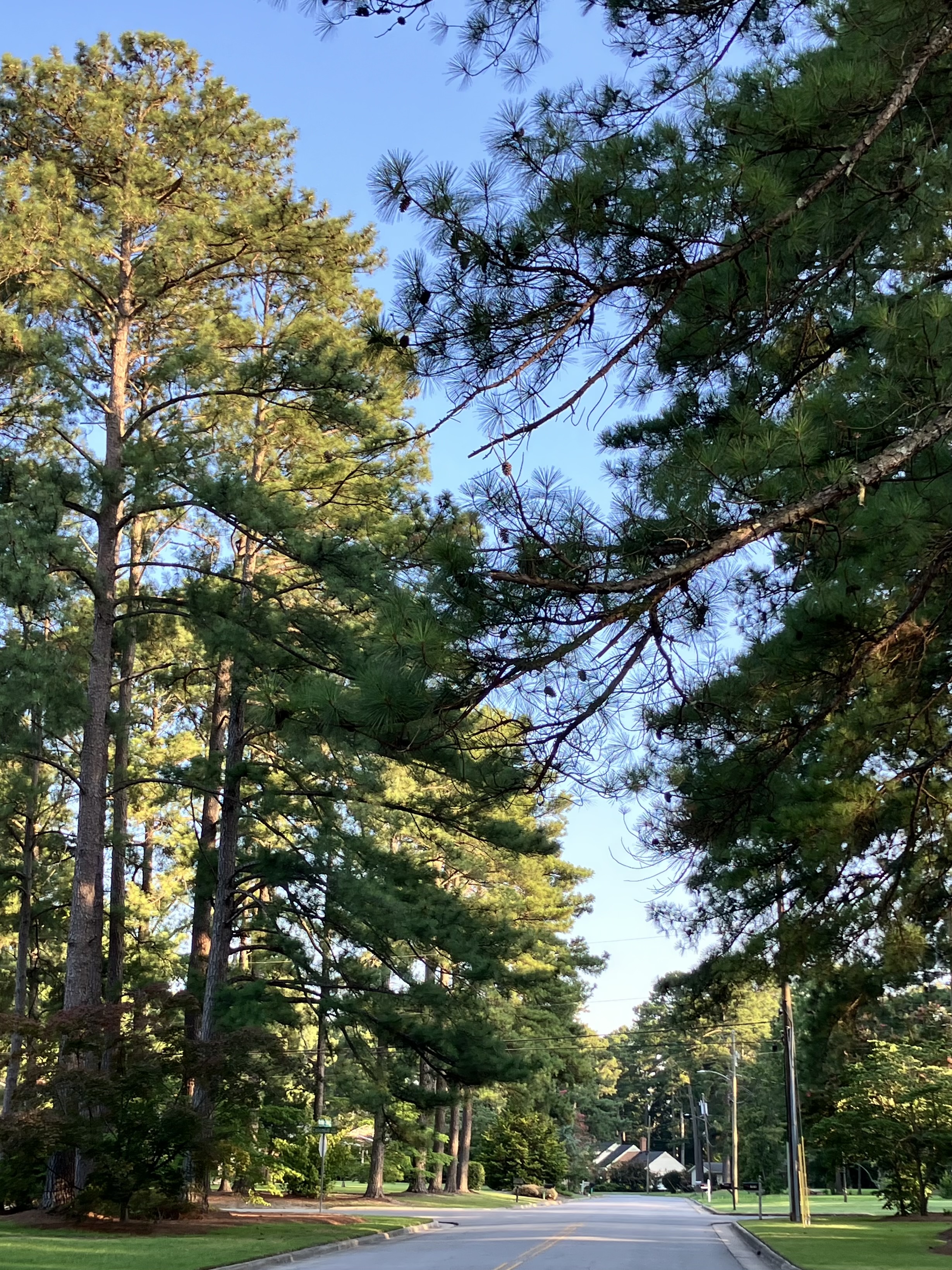
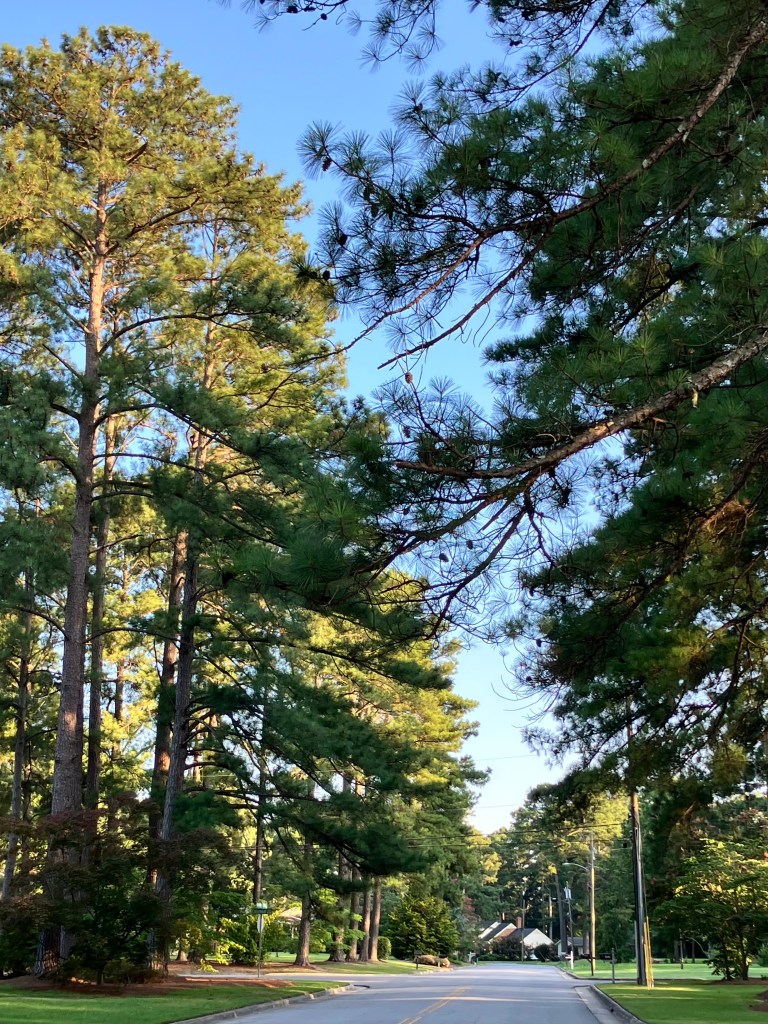
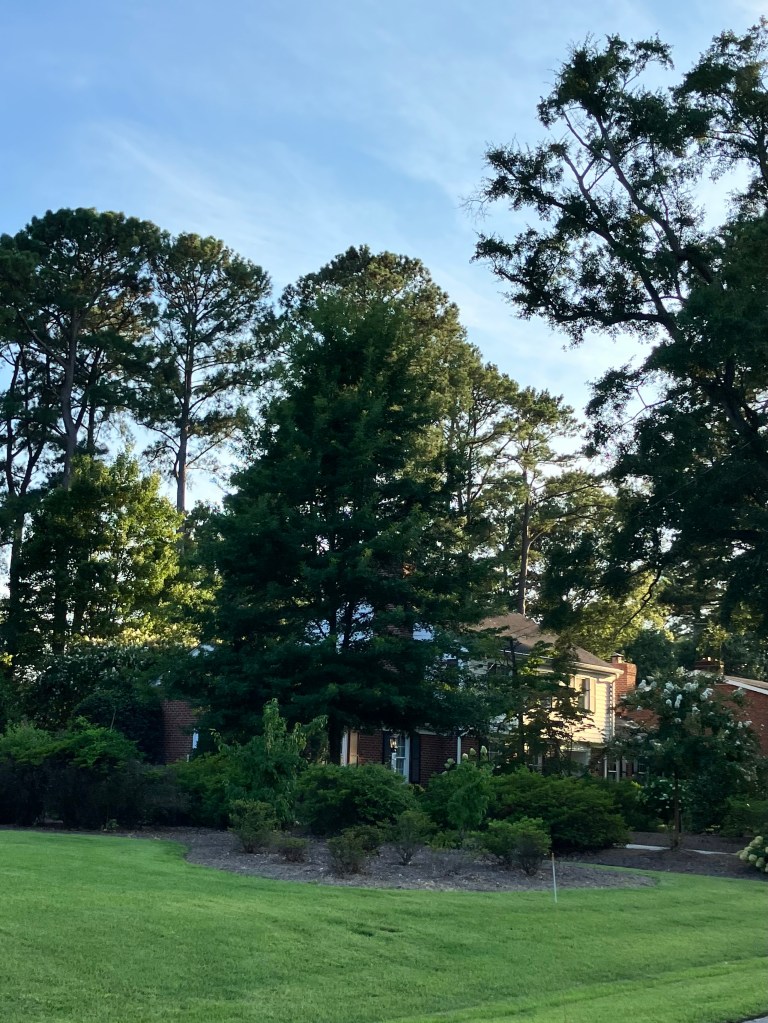
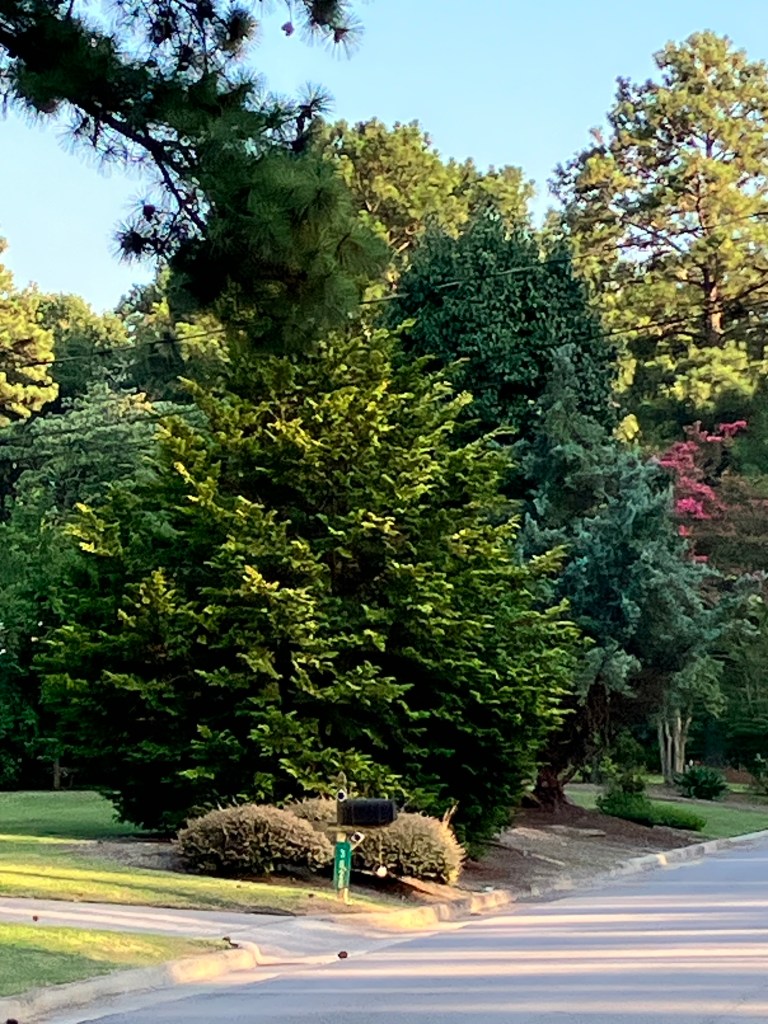
The streets became quieter. The pace slowed. Towering trees formed a canopy overhead, while lush lawns and mature landscaping gave every block a settled, welcoming feel. Nothing seemed hurried. Nothing clamored for attention. It seemed content to be what it had become over the years.
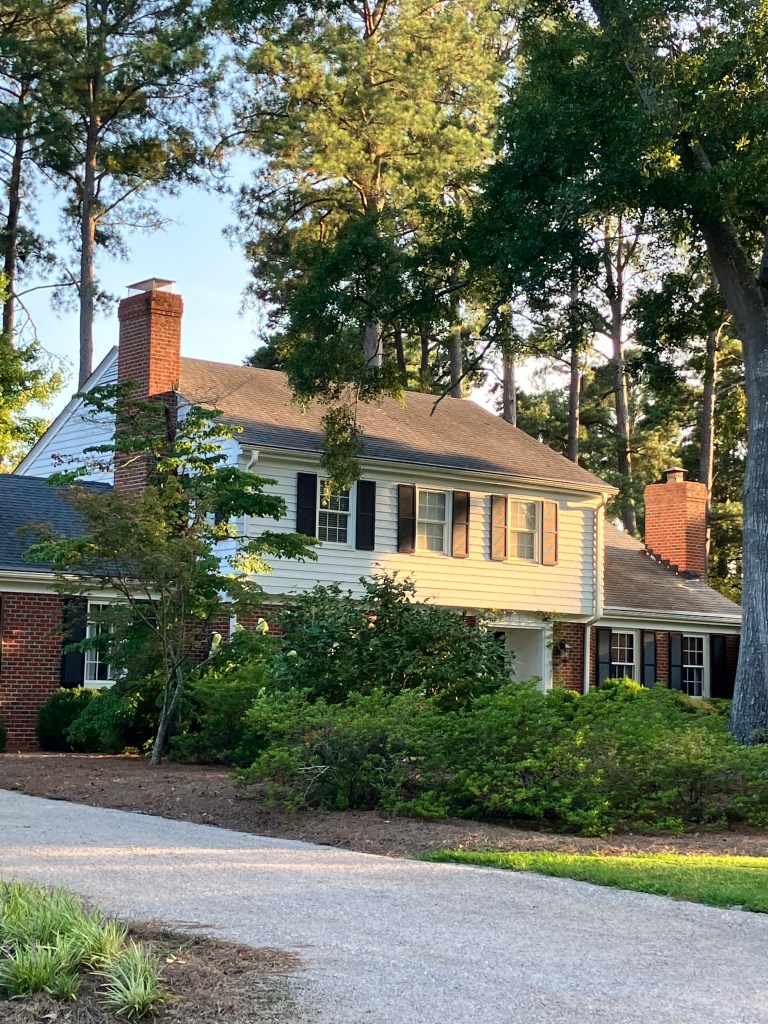
The houses delighted me. They came in every size, reminding me of the beds of the Three Bears, papa-sized, mama-sized and baby-sized. Together they create a neighborhood that feels timeless, not a movie setting on the back lot, but a past i certainly recognized.
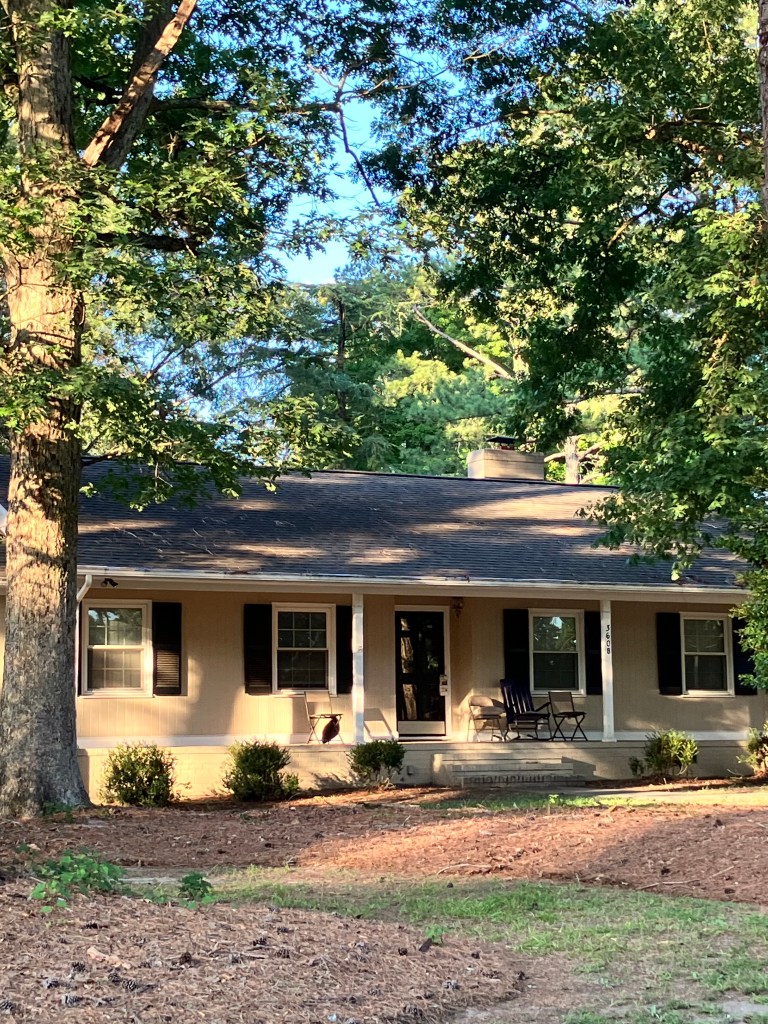
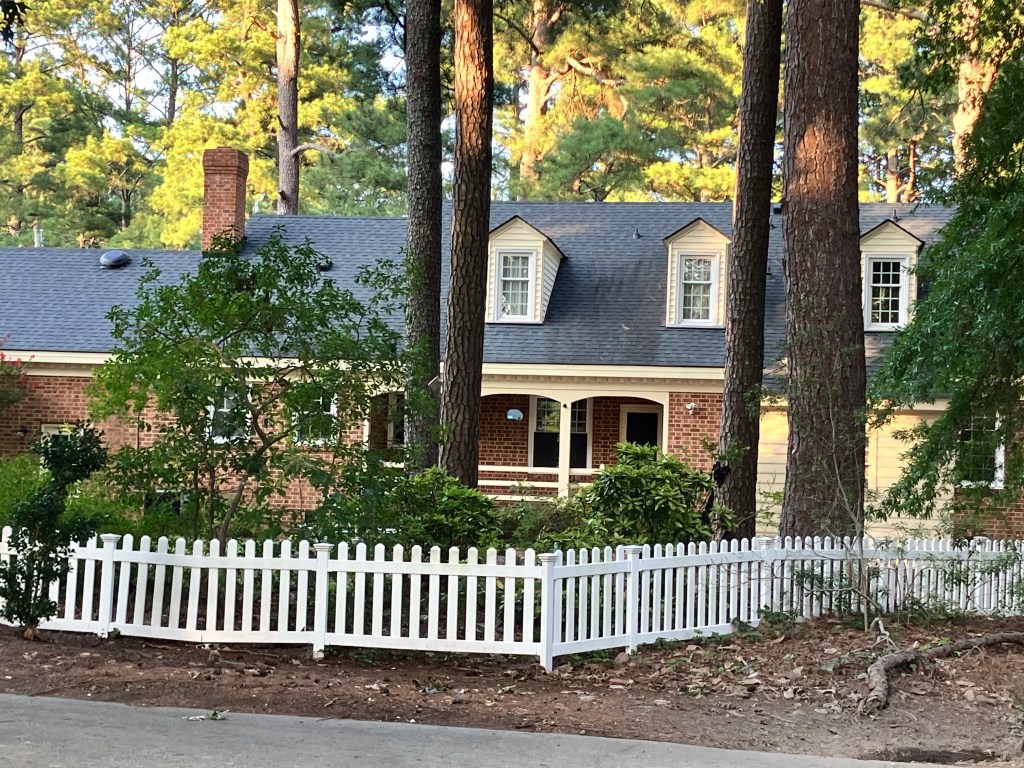
Some streets seemed to have stepped directly out of the 1960s. Had a group of teenagers appeared wearing bobby socks, saddle shoes and poodle skirts, I would scarcely have looked twice. The neighborhood possess that rare quality of making one forget what year it is.
It is beautiful.
It feels as though someone has placed a treasured timepiece upon the mantel and, at a particularly happy moment, gently stopped the clock.
As I thought about that drive later, I realized what had startled me. There was no gate announcing, “Welcome to Englewood.” No sign telling me I had crossed into another world. One moment I was in the Rocky Mount I have come to know. The next, I was in a Rocky Mount I had never fully seen.
That is what good places do. They do not simply occupy space. They invite us across a threshold. Dorothy stepped into Oz. Lucy climbed through the wardrobe into Narnia. I had crossed into Englewood.
I had no idea how large Englewood really is. As we drove through one winding street after another, the sociology major I once was suddenly came back to life. My mind filled with questions. Where had this neighborhood come from, when had it been built, who first imagined it, why did it feel so different from other parts of Rocky Mount?
When I returned home, I did what I love; some research.
Englewood is not simply another neighborhood. It is one of Rocky Mount’s first true automobile suburbs. In 1925, local businessman Z. B. Bulluck looked across what were then cotton fields west of the Tar River and imagined something entirely different for Rocky Mount. Instead of extending the city’s familiar grid of streets, he envisioned broad, gently curving roads that followed the landscape, generous lots, spacious lawns and room for families to spread out beneath the trees.
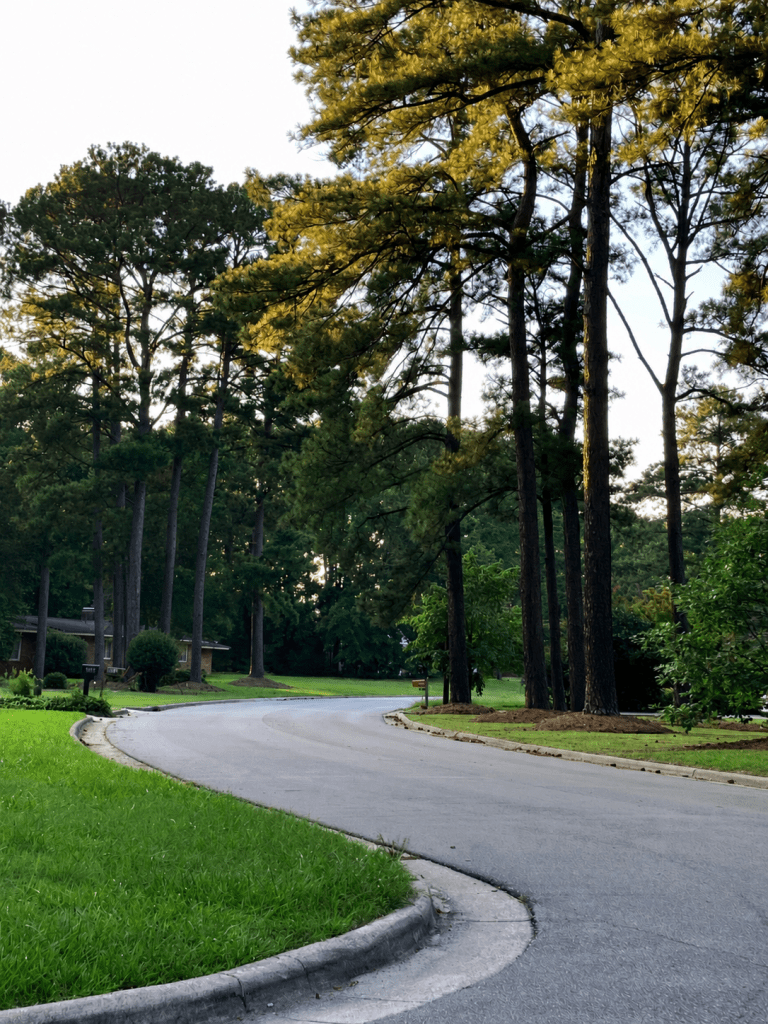
Englewood was created for a new way of living. Before the automobile, people generally wanted to live close to downtown, close to the railroad and close to where they worked. Englewood offered something different. Families could enjoy the feeling of living in the country while remaining only minutes from the heart of Rocky Mount.
That vision shaped everything I admired during our drive. The lawns, the mature trees, the winding streets, the generous distance between some of the houses were not accidents. They were part of a carefully imagined neighborhood.
Englewood did not appear all at once. Although the subdivision was established in 1925, many lots remained empty for years. The real building boom came after World War II and continued through the 1940s, the 1950s and into the 1960s. That explains why the architecture feels so rich and varied today. Colonial Revival homes stand beside Craftsman houses, Tudor cottages, English Cottage designs, ranch homes, Minimal Traditional residences and the occasional Mid-Century Modern home. Rather than competing with one another, they line the streets as good and long time neighbors.
Englewood has recognizable boundaries. It stretches generally from Sunset Avenue on the north to Winstead Road on the south, and from Forest Hill Avenue to Englewood Drive, encompassing hundreds of acres that once were open farmland. Looking at it today, it is difficult to imagine cotton growing where families now live.
Perhaps what fascinated me most was realizing that Englewood represents more than a variety of architectural styles.
It represents an idea.
It tells the story of Rocky Mount’s westward growth and of a generation that believed a neighborhood could be spacious, peaceful and closely connected to nature.
Englewood was not an isolated development. It became part of Rocky Mount’s steady westward expansion, joining neighborhoods such as Villa Place and later West Haven. Looking at a map today, it is easy to trace the city’s growth, one neighborhood leading naturally to the next. Each represented another chapter in Rocky Mount’s confidence and prosperity, each adding its own character to the story of the city.
Neighborhoods have personalities, just as houses do. Every neighborhood has an architecture, not only of wood and brick, but of dreams, decisions and history. Someone imagined these streets. Someone planted these trees. Someone believed this was where Rocky Mount’s future would grow.
I want to know who lived here. I want to understand how this neighborhood has remained so remarkably intact. I want to discover what it can teach us about the history of Rocky Mount and why it still possesses such a powerful sense of place.
Sometimes we think we must travel to discover something new.
Sometimes all we have to do is turn down a different street.
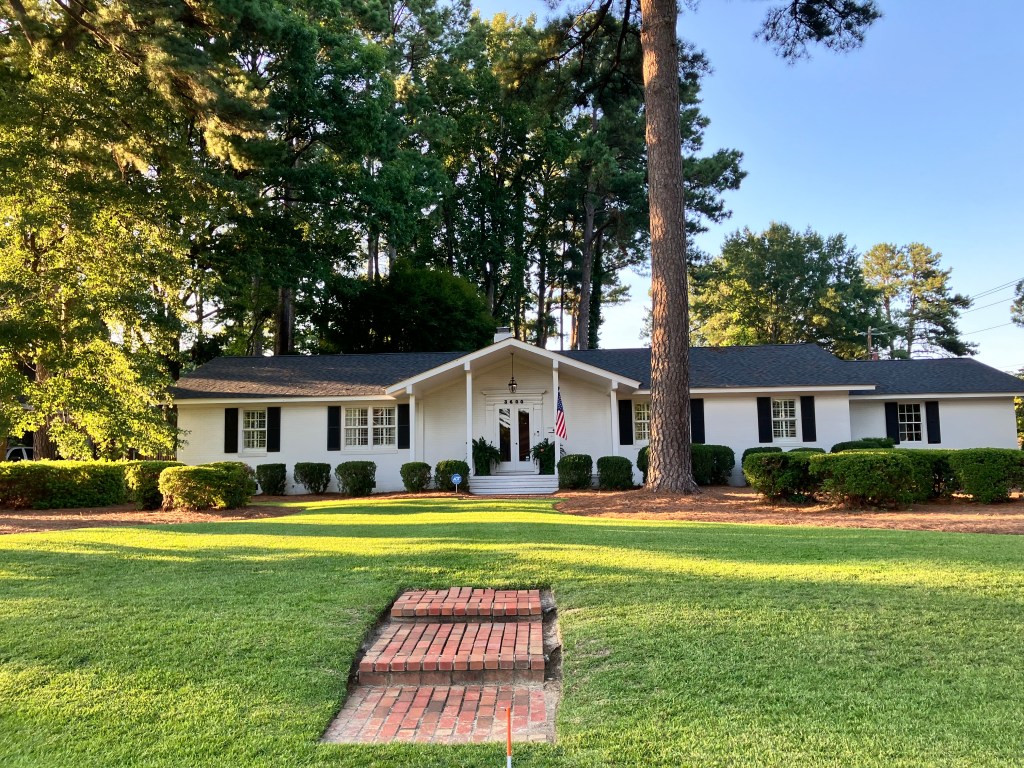


my parents bought a house in englewood that was under construction , so they made a few changes that later were beneficial for updating /remodeling . at that time , i believe , winstead rd was a dirt road . lots of memories for me and my brother who is 15 years older .
LikeLike
Oh, I love this quick memory.Thank you. If you can, write more about your memories of your neighbors, getting to school, the architecture of the house you and your brother grew up in. Thanks for sharing! SFH
LikeLike