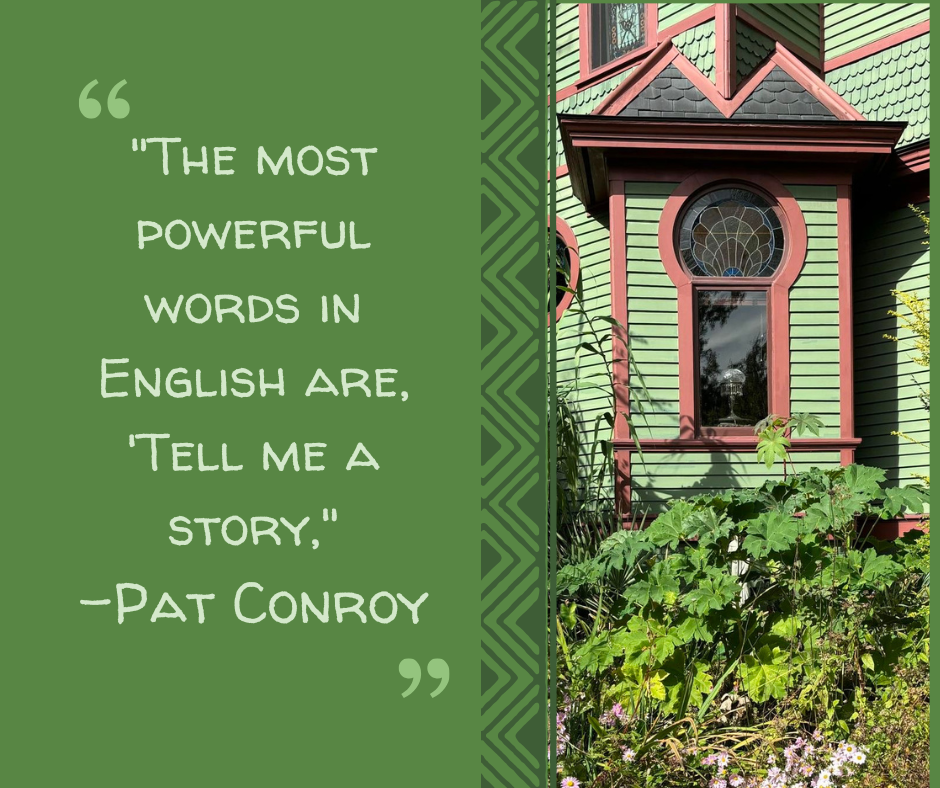
When future historians look back on this era of preservation and renewal, they will find that, it is the stories they uncover that give this movement its heartbeat.
The world of preservation in America emerged from a growing awareness that progress, unchecked, was erasing the very places that told our nation’s story. As postwar development and urban renewal swept across cities, landmarks fell and neighborhoods vanished.
Out of that loss came a resolve, to save what could not be rebuilt, to protect the craftsmanship, character, and memory embodied in old structures. It was, and remains, a movement born of both practicality and love: the belief that our past, if cared for, can guide our future.
Nora Roberts wrote, “It was a mistake to think of houses, old houses, as being empty. They were filled with memories, with the faded echoes of voices. Drops of tears, drops of blood, the ring of laughter, the edge of tempers that had ebbed and flowed between the walls, into the walls, over the years…”
When I was growing up, sitting on the back seat of my parent’s car, while driving on the Outer Drive in Chicago, we passed beautiful buildings with Doormen, and I wondered, even then, who lived in these grand structures.
To this day, when I pass older homes along a street, I wonder about the lives of those who have lived in the houses. What it must have been like to grow up here, in this spot.
I grew up at 1800 Asbury Ave in Evanston, IL. I had my 6th birthday in this house and brought my first child home to his grandparents still living there. I can account for a lot of history about this house with stories to tell.
I may be the only one that now knows there was once a square coy pond that my father made in the center of the back garden or that a giant, or so it seemed, willow tree once stood with a flagstone patio underneath where I played with my dolls and my mother sat enjoying her garden.
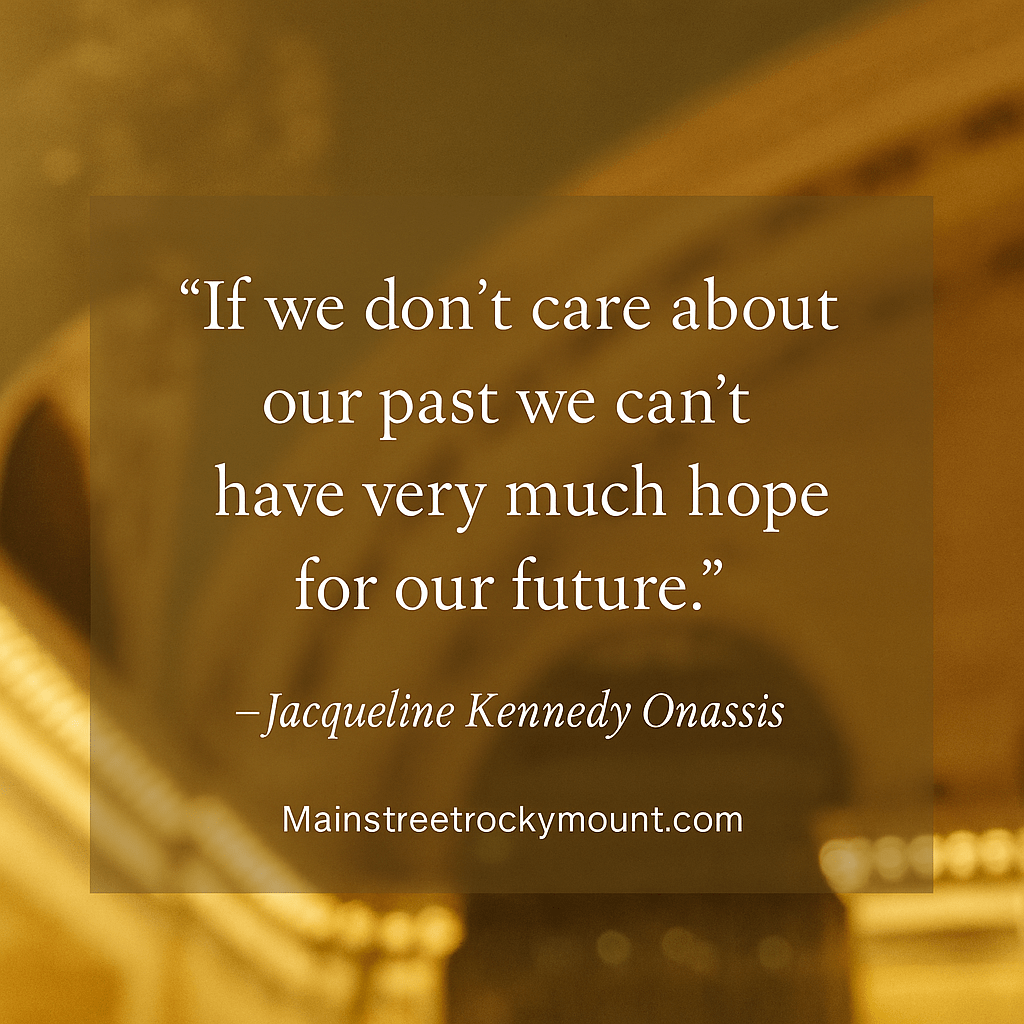
When I first read about Jacqueline Kennedy Onassis and her fight to save Grand Central Terminal, I had my first taste of architectural preservation.
In the 1970s, when the once-grand station was threatened by developers eager to build a towering office complex above it, Jackie stepped quietly but firmly into the fray.
She joined the Committee to Save Grand Central, lending not only her name but the power of her presence to a cause that might otherwise have gone unnoticed.
What she understood, what she always seemed to understand, was that some places are more than mere structures. Grand Central’s soaring constellations on the ceiling, its marble concourse echoing with footsteps, were part of the city’s soul. To lose it would have been to lose a piece of ourselves.
The battle went all the way to the Supreme Court, and in 1978 the justices upheld New York’s landmark law, preserving the Terminal for generations to come.
Jackie’s leadership didn’t just save a building; it changed the conversation about preservation in America.


 Main Street Rocky Mount
😊
LikeLike