I take the Atlantic Avenue exit often. I always look for improvement. Sometimes there is obvious work going on, but overall, year after year, the street is a terrible first impression.
I keep meaning to count how many used car lots there are.
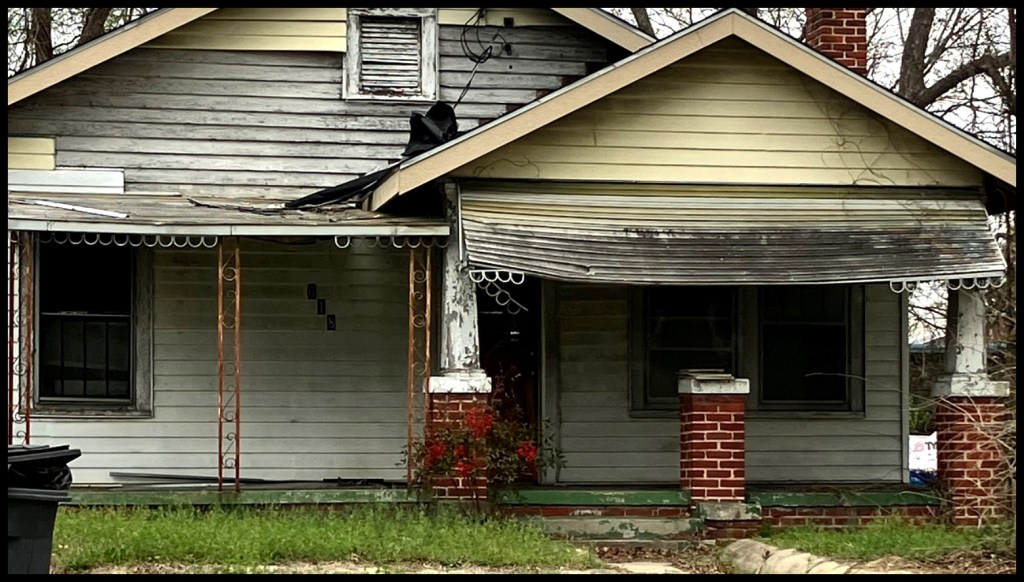
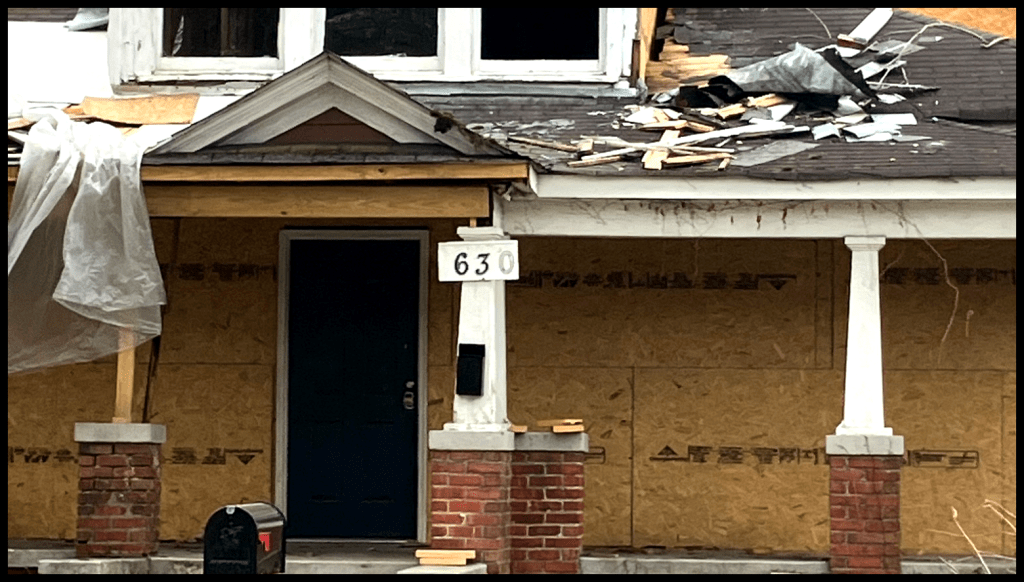
There are houses sitting in deep neglect. Rooflines sagging. Windows boarded. Yards overtaken by weeds. Forlorn is a word that comes to mind. Too many structures continue to go from bad to worse.
The last thought for Atlantic Avenue was the big push for the hotel and parking garage. Luckily we escaped that boondoggle, short for a project that wastes time, money, or resources because it is poorly planned, unnecessary, or done more for appearance that real results.
This corridor has become one of the least welcoming entrances into Rocky Mount.
First impressions matter.
They matter when someone sits down for a job interview.
.They matter when a restaurant opens its doors to new customers.
They matter when a business owner arranges a storefront window.
The first look tells a story.
Cities are no different.
Entrance corridors function as the front doors of a city. They introduce visitors to the character of a place before they ever reach Main Street.
Atlantic Avenue sits within Ward 2 of Rocky Mount’s City Council districts, represented by Councilman Reuben Blackwell.
Perhaps I misunderstand the exact role of a councilman representing a ward. But if this entrance to the city were mine, I would ,,,,,,,,,,,,,,
I would bring together a working group drawn from the neighborhood association, non profits, and investors willing to help shape an Atlantic Avenue Plan. The goal would be action. It would cost nothing.
Next, I would recruit two key people, a grant writer, and someone knowledgeable about state and city housing initiatives to volunteer their help;
Then I would make a list of volunteers who live in Ward 2 who have the skills necessary to help repair houses, the same spirit of community effort that organizations like Habitat for Humanity and church groups demonstrate every day.
An inventory of the houses along Atlantic Avenue would follow, each with a photograph and a note about the condition of the property and any available historical information.
From that inventory, a priority list would be established.
At this point the obvious question arises. Where does the money come from.
Small housing repair grants
State housing repair grants and housing finance programs exist specifically to stabilize older homes. These grants often fund exactly the work many Atlantic Avenue houses need, roofs, porches, steps, and exterior paint.
Community development funds
Cities already receive federal community development funds intended to support housing stabilization and neighborhood improvement. Directing a portion of those funds toward a priority corridor like Atlantic Avenue is exactly the type of project these programs were created to support.
City incentives
Even modest city incentives can make a difference. Small façade improvement programs or repair matches encourage homeowners to participate. When a city contributes a little, owners often invest much more of their own money.
Volunteer labor
Volunteer labor dramatically lowers the cost of the work. Churches, civic groups, and skilled volunteers in the ward can handle painting, yard clearing, and smaller repairs, stretching every dollar further.
Local sponsorship
Once a project is organized, local businesses and donors frequently step forward to sponsor individual homes. The transformation of one house can inspire others to follow.
When these pieces come together, the first house becomes possible.
A grant might repair the roof.
Volunteers restore the porch.
A modest incentive helps pay for paint.
One house begins to look cared for again.
Then the next.
And the next.
Atlantic Avenue does not need a miracle.

 Main Street Rocky Mount
Awesome with a specific plan. Will Rebuen do it? Stephany for City Council !
LikeLike