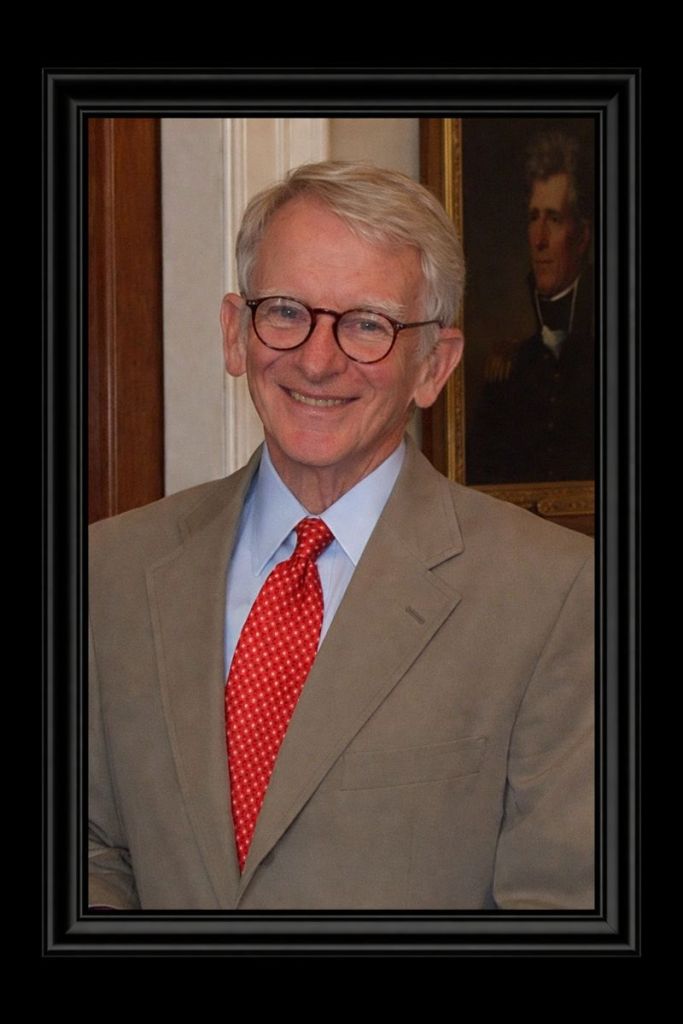
For years it has been said that a mayor can only do so much, that the role is largely ceremonial, ribbon cuttings, speeches, appearances, a steady hand but little real influence. I have never believed that, and the story of Charleston in the late twentieth century proves why that assumption is wrong
Mainstreetrockymount.com is honoring Joseph P. Riley Jr., who led Charleston for four decades (elected in 1975, serving through 2016).
In the 1990s, Charleston did not merely preserve its historic fabric, it governed as if beauty, scale, walkability, and memory were part of the city’s public trust, that posture did not happen by accident, it was shaped by a mayor who understood that preservation is not nostalgia, it is policy, and that leadership is measured not only by what is approved, but by what is protected.
Riley redefined what a mayor can do by moving beyond management and into vision, resolve, and purpose, he brought a truer understanding of what the office itself can be.
That understanding took shape across the entire city, not in isolated restorations, but in a deliberate design and preservation posture that guided Charleston’s future, Riley backed preservationists in major development fights, insisted on scale, walkability, and compatibility with the historic city, and treated those decisions as matters of governance rather than taste.

 Main Street Rocky Mount