ON NET-FLICKS
In the last few years of my reading life, I have found myself increasingly drawn to the leadership that has formed the world I have grown up in.
Not perfect leadership, and certainly not flawless men and women, but leaders who understood the weight of responsibility and were willing to carry it, often quietly, often without applause.
What interests me most is leadership that moves communities forward through preparation, restraint, and seriousness of purpose.
Leadership that values institutions, respects language, and understands that decisions ripple outward, shaping lives and places long after the moment has passed.
My reading life has led me to leaders who understood the cost of responsibility. James Baker, steady and disciplined, navigating moments where missteps could alter the course of history.
Golda Meir, bearing the weight of a young nation with fierce resolve and moral clarity. Others too, figures who did not seek the spotlight so much as accept the burden that came with their positions.
What connects them is not ideology, but seriousness. A belief that leadership is not about performance, but about stewardship, of people, of institutions, of moments that matter.
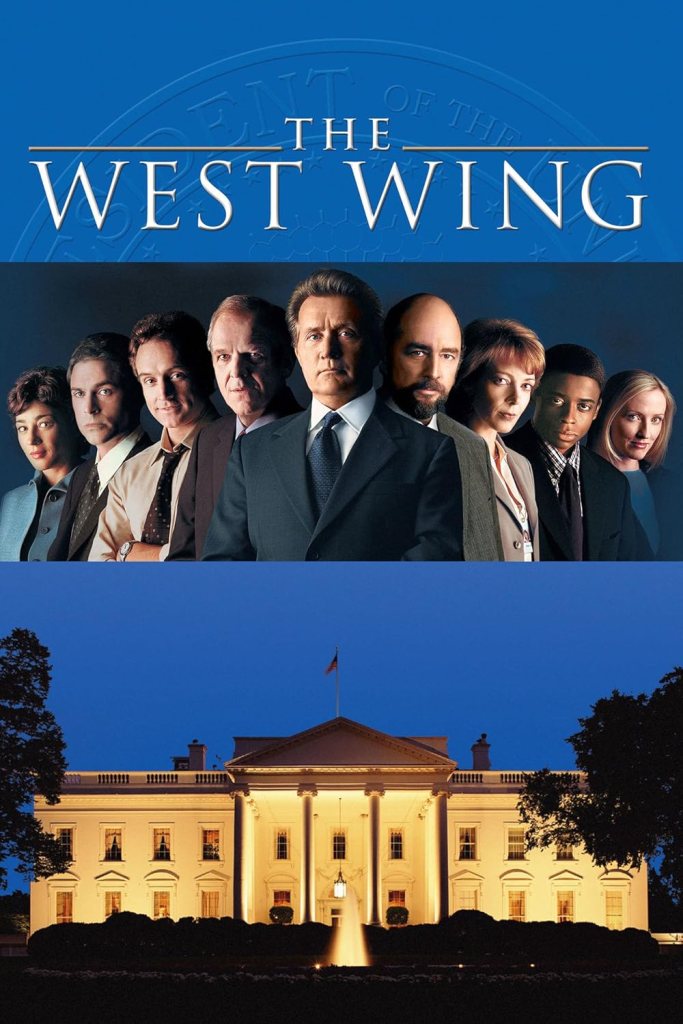
Rewatching The West Wing brought all of this back into focus.
When the series first aired, my husband and I watched every episode faithfully. It was part of the rhythm of our weeks, something we looked forward to and talked about together.
When it ended, like many good things, it settled quietly into memory.
Watching it again now, years later, I am struck by how relevant it still is.
The fictional Bartlet administration is unapologetically Democratic, and at times the series does more than argue its case, it talks over Republican points of view, often assuming them to be misguided or wrong. That is real, and it matters.
What holds me is not agreement, but the show’s deeper insistence that leadership itself be taken seriously. Even when the arguments are one-sided, the underlying standards remain high.
Preparation matters. Knowledge matters. Words matter. Decisions carry weight. And those entrusted with power are expected to rise to it.
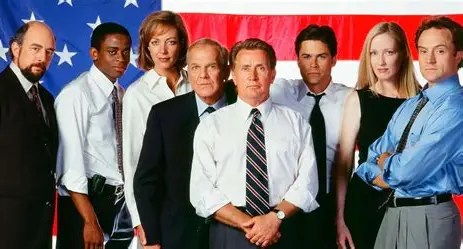
The West Wing, created by Aaron Sorkin and airing from 1999 to 2006, imagined a White House where governing was treated as moral work.
Set during the fictional two-term administration of President Josiah Bartlet, the series focuses less on spectacle than on process, on the difficult, often unseen labor of leadership.
Rewatching it now, I find myself less interested in who wins the arguments than in how they are conducted. Leadership, as portrayed here, is not about performance or dominance. It is about accountability.
About listening. About being willing to say, “This one is on me.”
That is why I would recommend watching The West Wing now, especially for younger viewers encountering it for the first time. Not as a political guide, but as a reminder of what leadership can look like when seriousness is the starting point.
Because real leadership is never abstract. It plays out in places like Rocky Mount, where seven members of City Council make decisions that shape daily life for everyone who lives here.
Decisions about growth, stewardship, accountability, and direction. Decisions that deserve preparation, humility, and a clear understanding of their lasting impact.
Maybe that is what The West Wing ultimately offers: not answers, but orientation. A way of seeing the picture on the wall differently.
A reminder that leadership is not about being the loudest voice in the room, but about carrying responsibility with care.
We need these qualities. Let’s give ourselves a better chance of choosing well, and moving forward together.

 Main Street Rocky Mount