Why write about Art Deco when Rocky Mount has few examples of the style?
Because learning to see architecture, in all its forms, builds our vocabulary for preservation. The more we understand design, the more we appreciate what we have, and the more we recognize beauty wherever it appears.
Studying Art Deco sharpens our eye for proportion, ornament, and imagination, lessons that apply to every Main Street façade and every restored home.
Art Deco began as a celebration of modern life. In 1925, Paris hosted the Exposition Internationale des Arts Décoratifs et Industriels Modernes, introducing a new visual language that merged craftsmanship with machine precision. The look was bold, geometric, and elegant, built on optimism for the future.
American architects carried the style home. At first, it appeared in skyscrapers, theaters, and department stores, architecture that symbolized progress and prosperity. Eventually, its influence reached residential design, where streamlined geometry met everyday living.
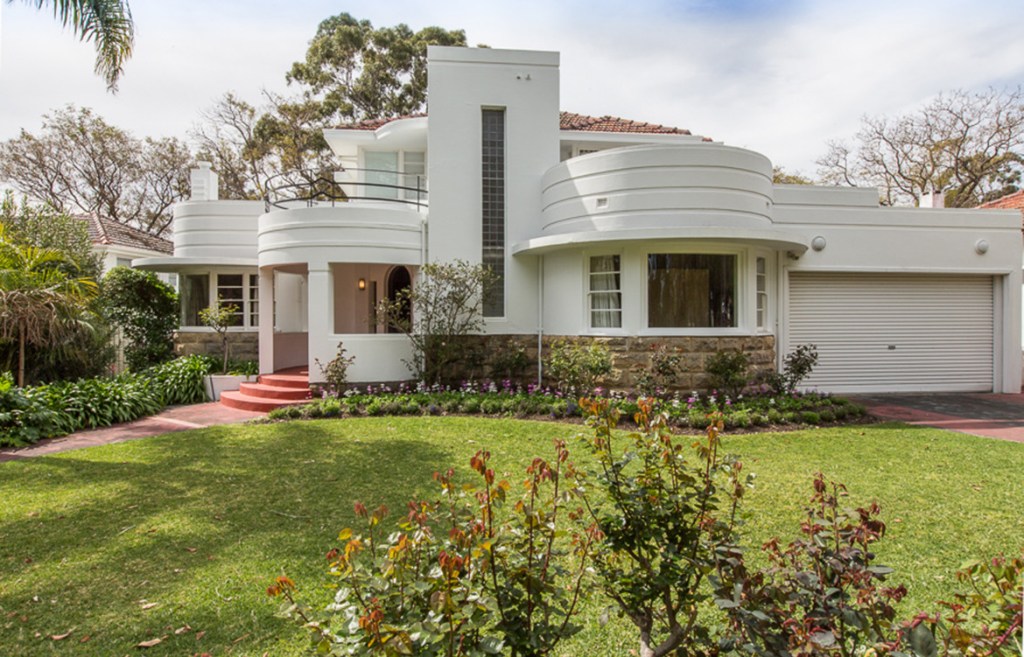
Art Deco architecture is one of the most iconic design movements of the 20th century.
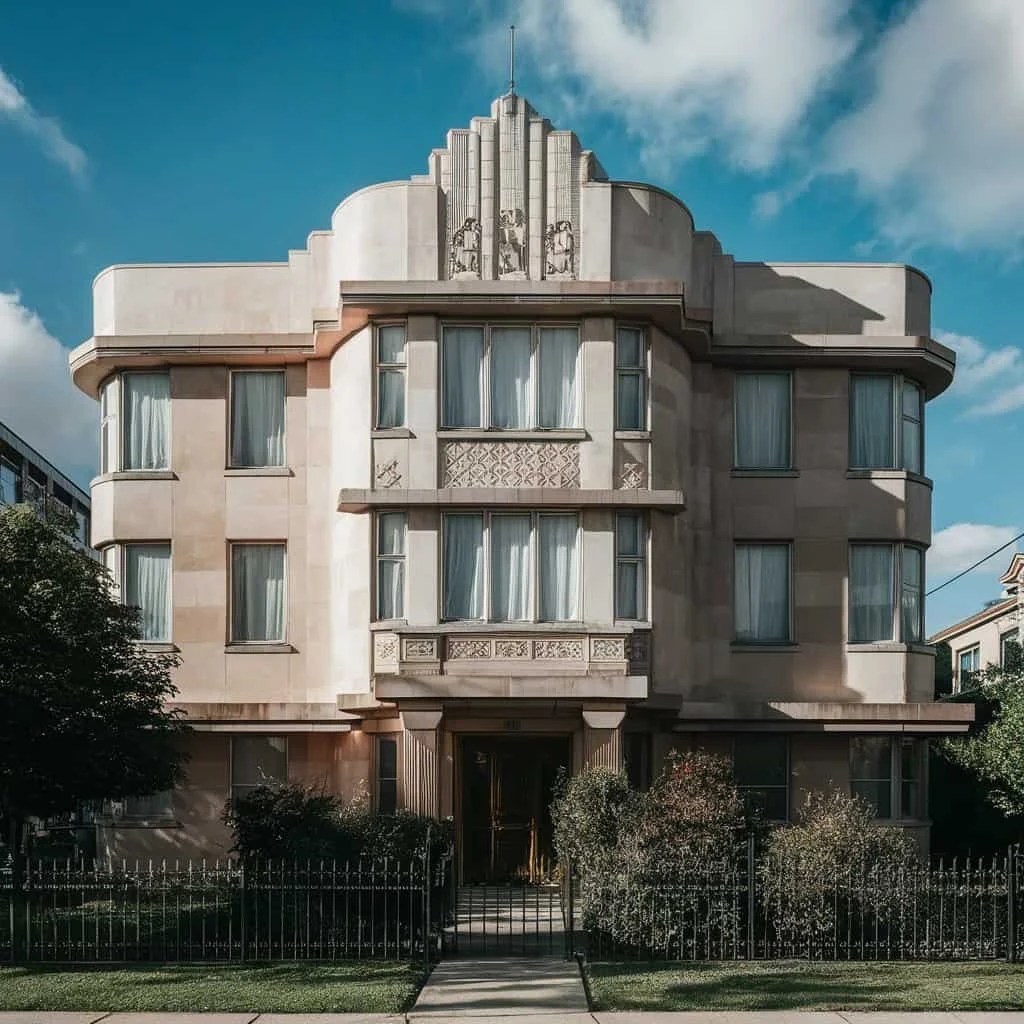
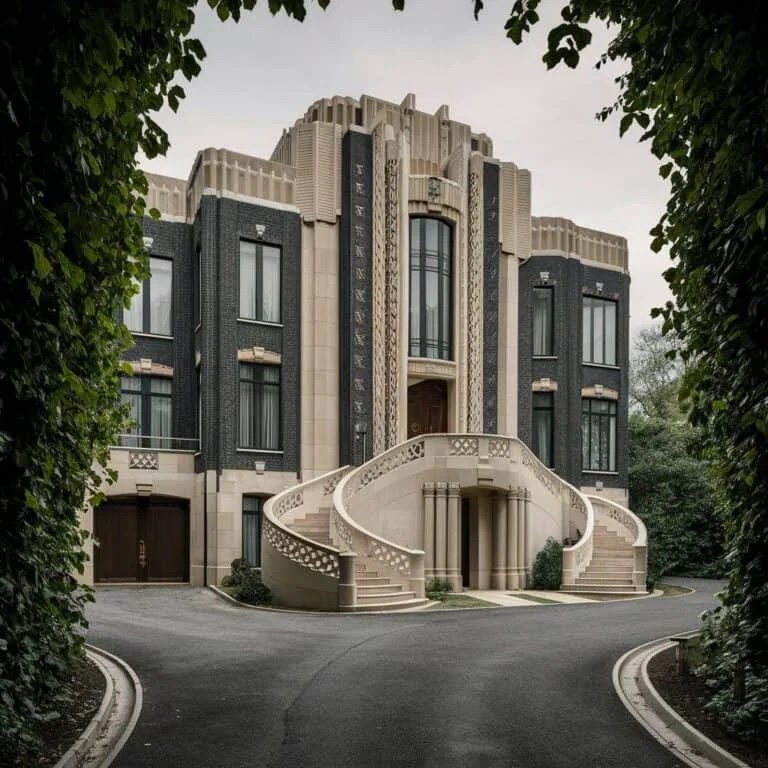
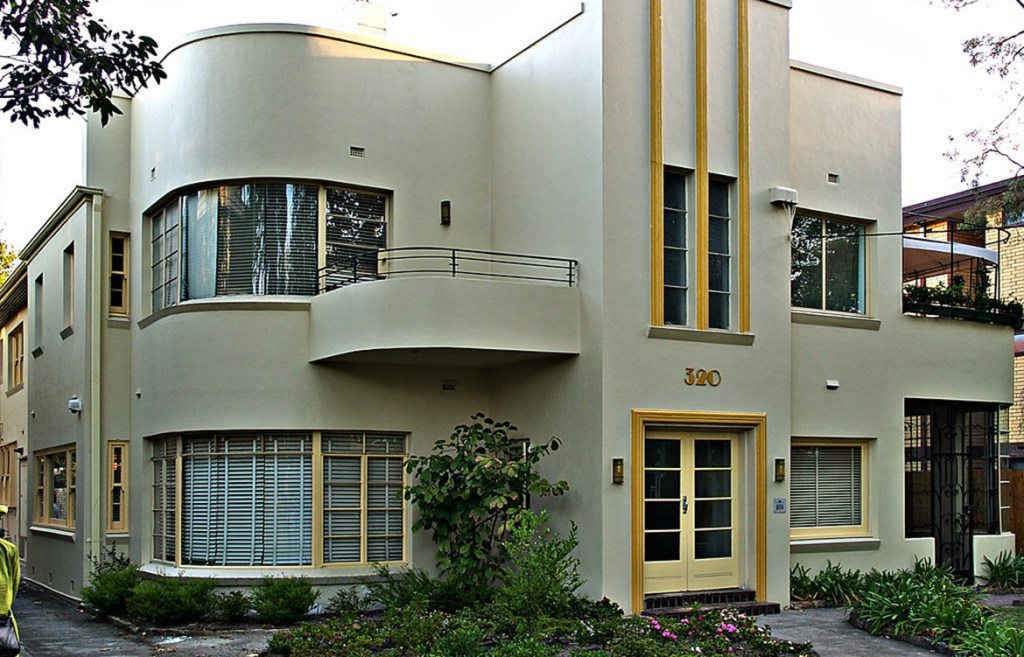
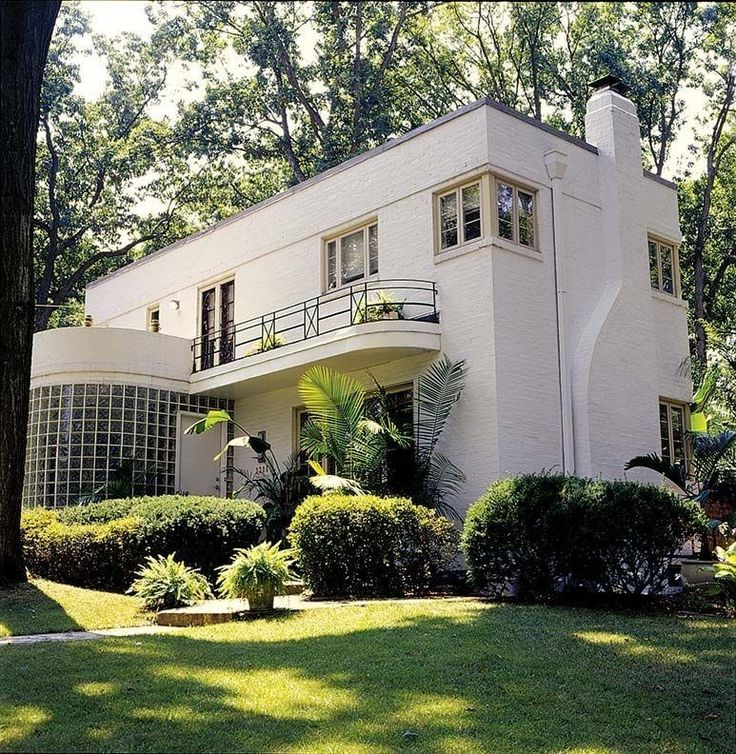
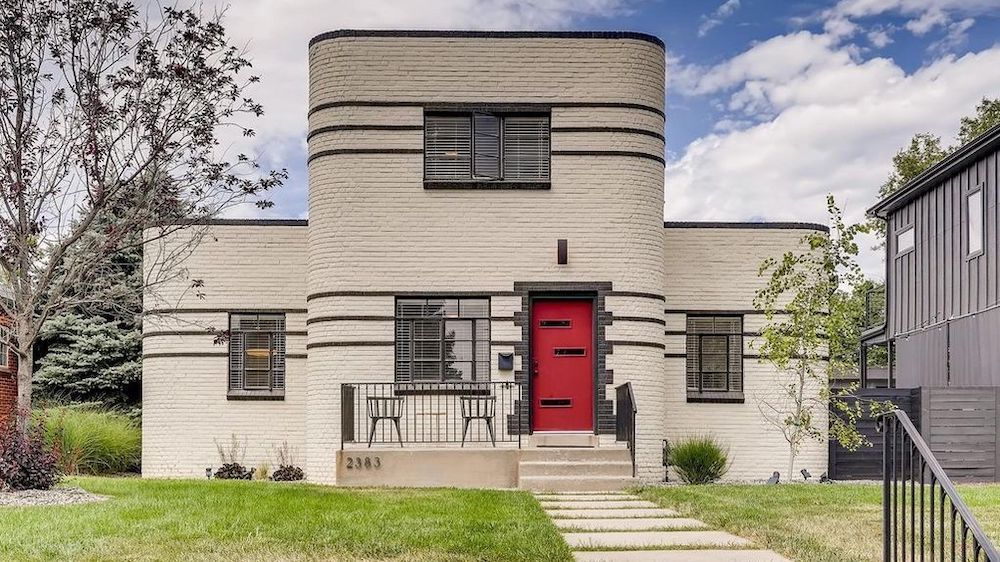
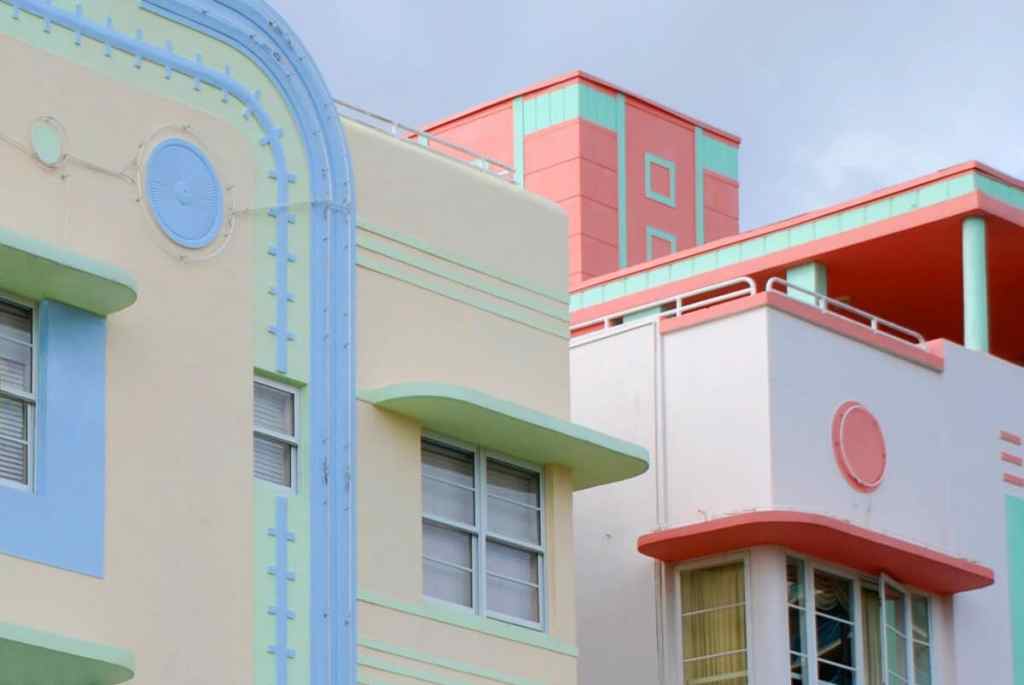
Art Deco houses were never numerous, but they were distinctive. Smooth stucco walls, vertical lines, glass block, stepped forms, and stylized ornament turned ordinary structures into small masterpieces. Inspired by everything from Egyptian and Mayan motifs to machine-age design, these homes married art and practicality.
In some regions, Art Deco blended easily with other styles, Spanish Revival, Moderne, even early Mid-Century Modern, proving its adaptability. Whether in a Hollywood hillside residence or a Detroit apartment building, the style reflected a belief that modern living could still be beautiful.
Even if Art Deco homes in Rocky Mount, seem nonexistent, understanding this style helps us read architecture more fluently. We begin to notice the rhythm of windows, the line of a parapet, or a touch of ornamentation that signals pride in craftsmanship.
Learning from Art Deco reminds us that preservation isn’t only about saving what exists, it’s about seeing with educated eyes. Each style teaches us something about its era’s hopes and ideals.
In Art Deco, those ideals were progress, artistry, and faith in the future, the very things that continue to inspire revitalization today. This is another lesson that continues our journey through design history. Because when we learn the language of architecture, we also learn how to honor beauty wherever we find it.
Even if Art Deco home aren’t scattered along our streets, the act of studying its forms changes the way we see. We begin to read architecture more fluently, tracing stories in the rhythm of windows, the lift of a cornice, the quiet grace of craftsmanship once taken for granted.
That’s the gift of learning: the world doesn’t change, but we do. What once looked ordinary begins to speak. A line of brick, a curved awning, a doorway softened by time, all whisper a history worth preserving.
And so we keep walking, eyes open to the language of beauty, still learning how to honor the past and build the future, one detail at a time.
More about Art Deco in the next blog post on 10-21-25 The Samuel-Novarro House: Two Faces of an Icon – Art Deco Form



 Main Street Rocky Mount