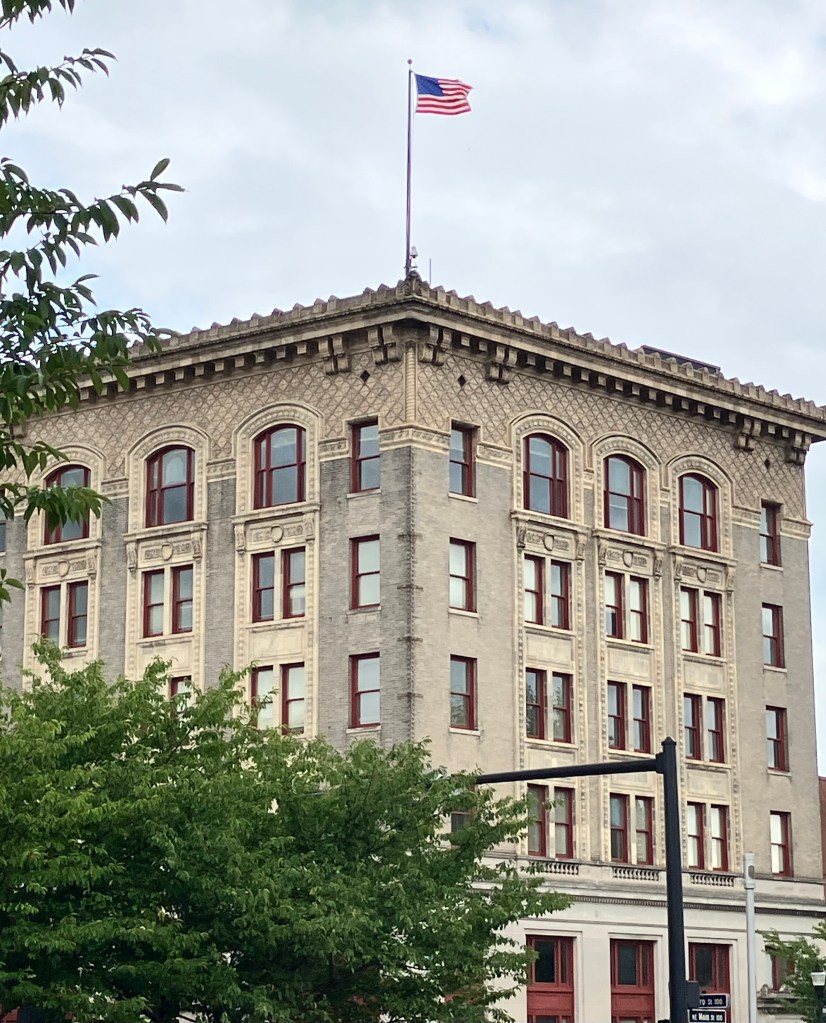
The Rocky Mount National Bank: Beaux-Arts on Main Street


The previous Main Street blog post featured 109 SE Main Street. Beside it rises a landmark, the 1918 Rocky Mount National Bank building. Designed by the celebrated architectural firm Milburn & Heister, this grand structure brought Beaux-Arts style to our city at a time when banks wanted to symbolize strength, permanence, and civic pride.
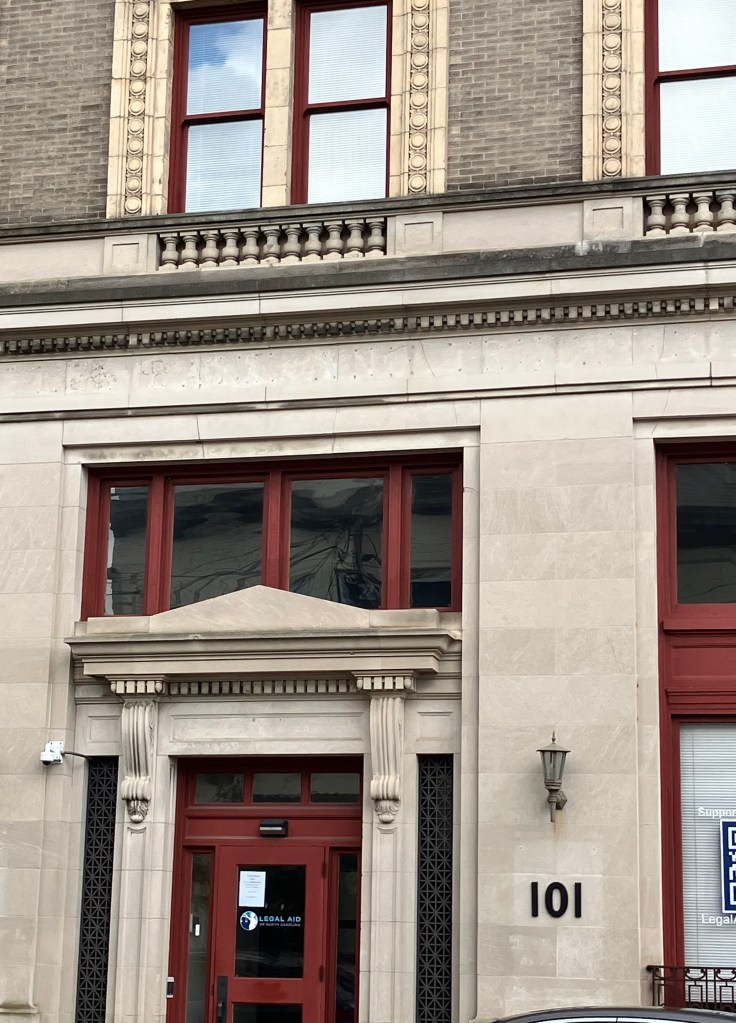
Beaux-Arts style is an architectural movement that emerged in France in the late 19th century, particularly associated with the École des Beaux-Arts in Paris.

It is characterized by its symmetry, proportion, and elaborate ornamentation, drawing inspiration from classical styles such as Roman and Greek architecture, as well as Renaissance and Baroque elements.
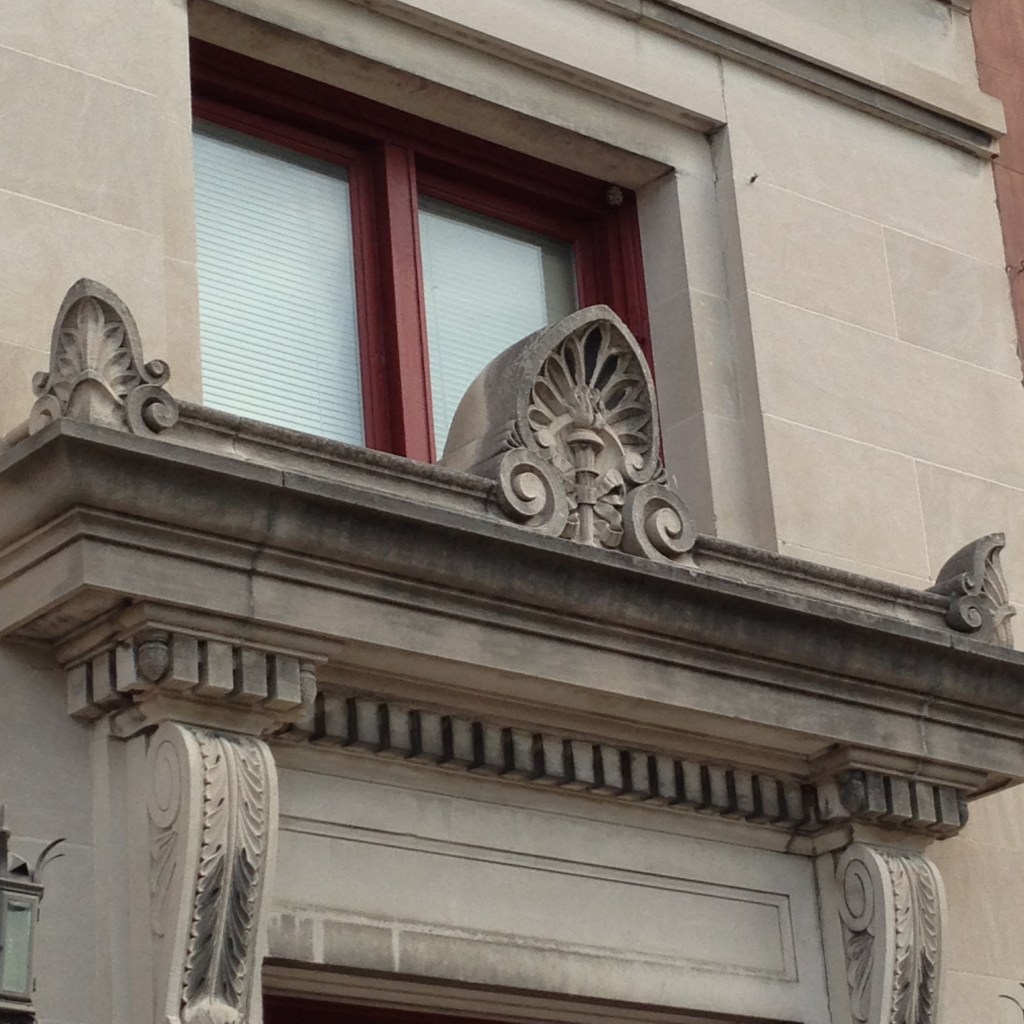
In America, Beaux-Arts found its way into post offices, courthouses, libraries, and banks. Rocky Mount joined that tradition with its own proud example. The National Bank building was more than a place for deposits and loans; it was a statement of faith in the future of our growing community.
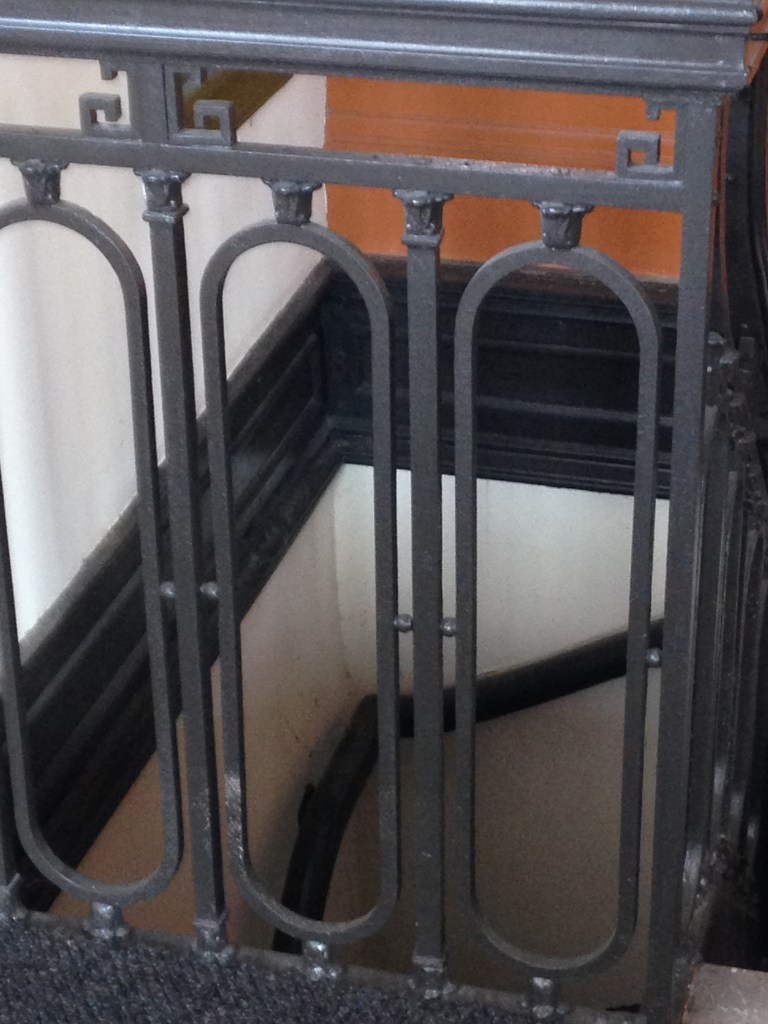
Construction began in 1918, led by contractor D.J. Rose, at a time when the city was humming with railroad traffic and commerce. The building quickly became a landmark, tall, ornate, and impossible to ignore. (More about D.J. Rose in the next blog post.)
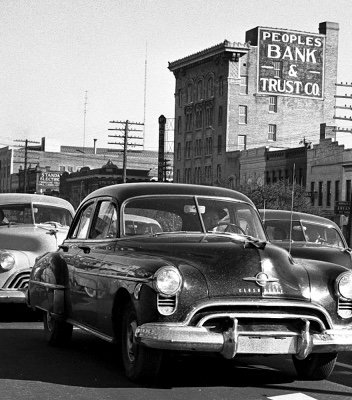
In 1933, during the depths of the Depression, the bank closed its doors. The very next year, it reopened under a new name: People’s Bank & Trust. Later decades brought further changes, yet the structure itself endured, waiting for someone to once again recognize its worth.

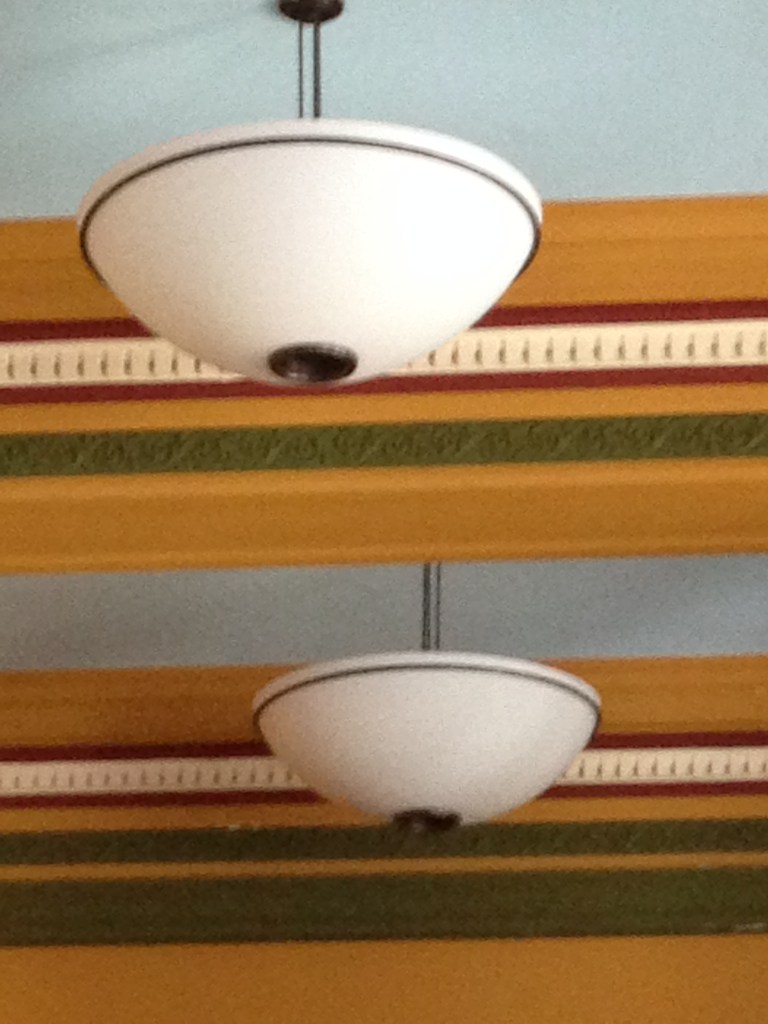
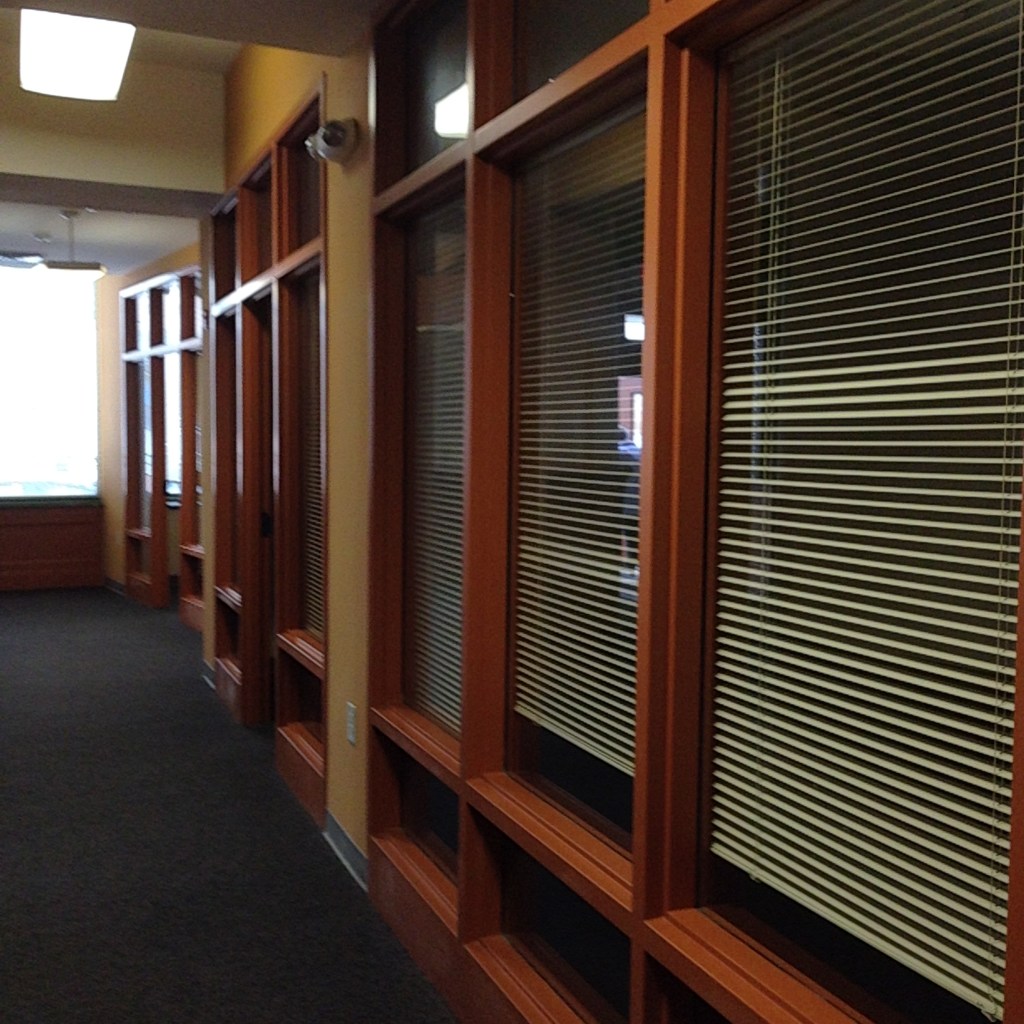
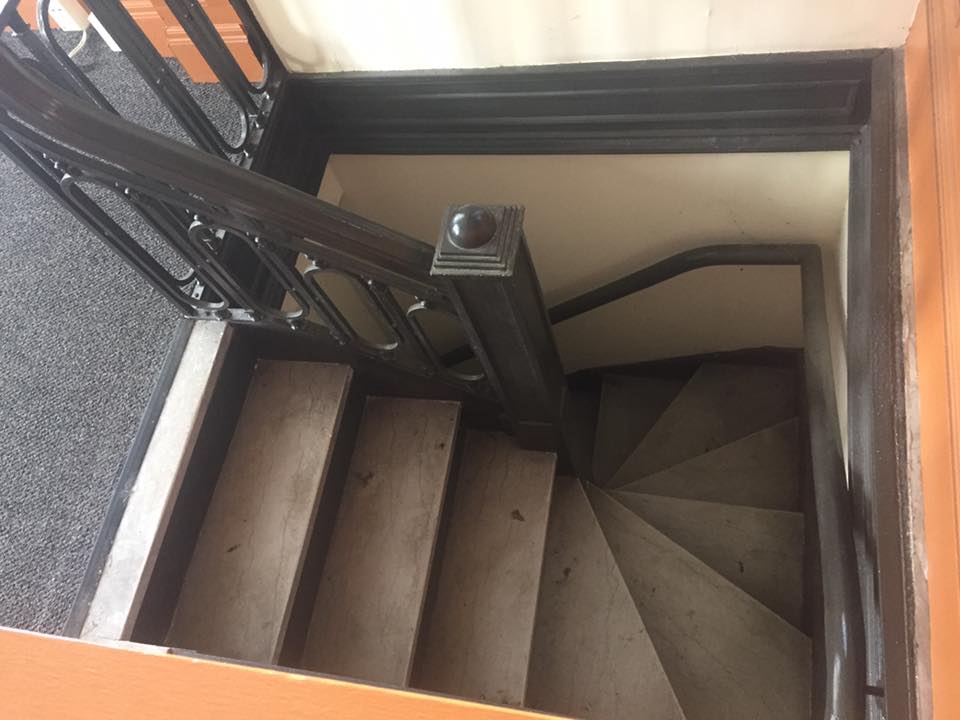
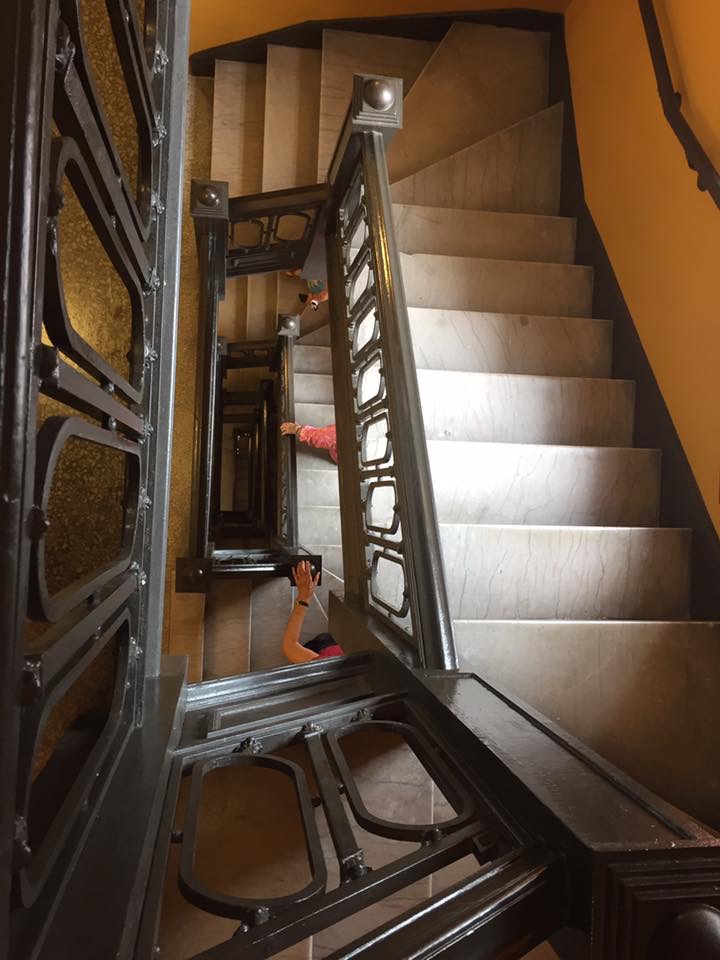
That recognition finally came through the rehabilitation led by Self-Help Ventures Fund. Their work preserved the marble, the columns, the intricate interior details, while giving the building new life for modern use.

The result is a shining example of what restoration can achieve, blending the elegance of the past with the vitality of the present.

Thanks to Self-Help Ventures Fund, the Rocky Mount National Bank building rises once again in its Beaux-Arts dignity, its marble and ornament no longer silent witnesses but proud storytellers. Step inside and you feel the care of those who refused to let history slip away.

Learning the language of Main Street means learning words like Beaux-Arts; grand, formal, and filled with meaning. It means recognizing that a century-old bank can still speak to us about permanence and pride.

My hope is that in sharing this brief story, you’ll look at Main Street with new eyes. Preservation, restoration, repurposing, these are not just tasks for architects or developers, but a way for all of us to carry forward what is beautiful, what is worth keeping.

That is the gift of Main Street architecture. And when we care for it deeply, we care for the heart of our community.

Leave a comment