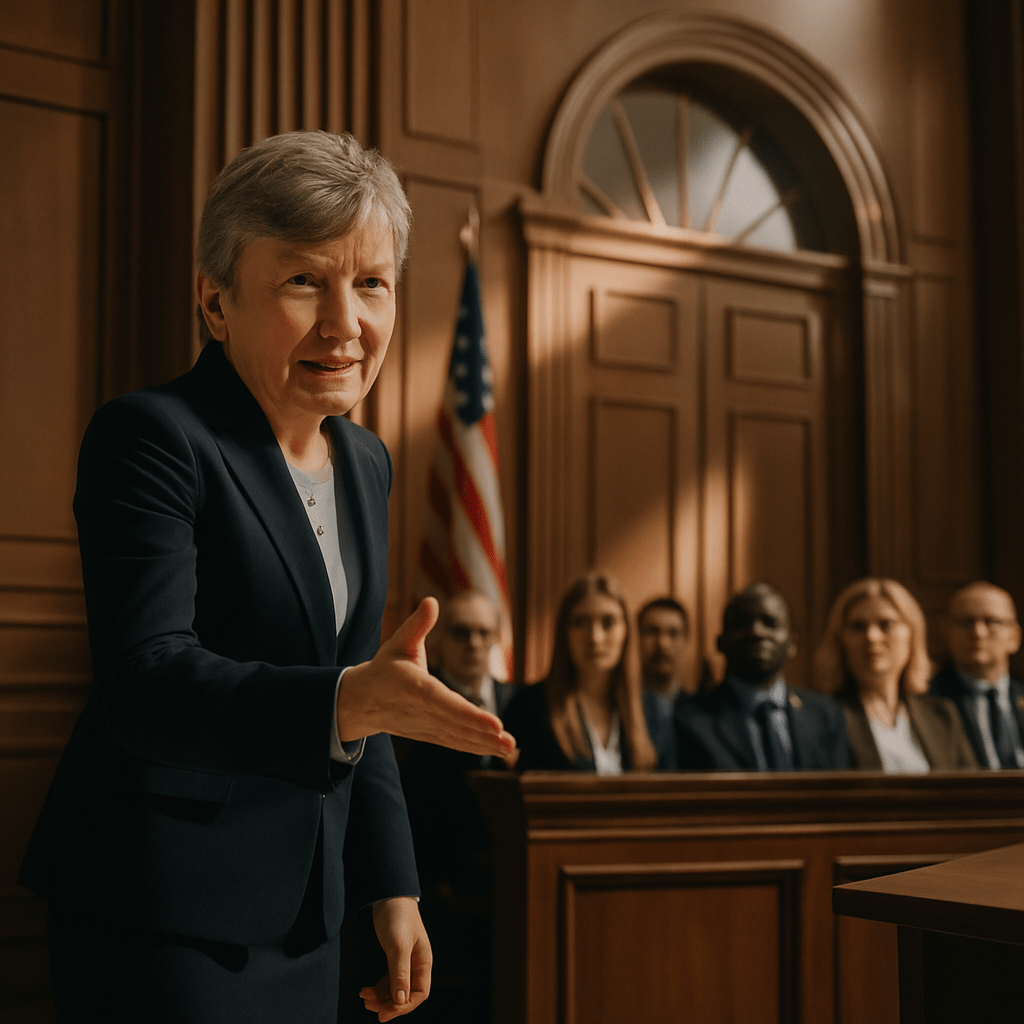
The Prosecutors Summation to the Jury.
It is not easy to hold two truths at once. That OIC has brought real good to this community: yes. That the tutoring programs, the workforce training, the wraparound services have helped people climb out of hardship: yes again.
But it is also true that when council members sit on both sides of the table, the integrity of those gifts becomes clouded. It’s not that OIC doesn’t deserve support. It’s that the public deserves a process that cannot be questioned.
This is the struggle. How to protect what’s good without ignoring what’s wrong.
Maybe the answer isn’t legal at all. Maybe it’s moral. Maybe it rests on a higher standard of leadership, the kind that says, “Even if I am recused, even if it is technically proper, I will not sit in a position where public trust is at risk.”
Letting go of the power that the defendants have accrued will not end until a vote ends their reign. Stepping down not from OIC, but the council that allocates the funds is not happening. And so the conflict remains.
Public trust isn’t rebuilt by minutes and motions. It’s rebuilt by men and women willing to let go of influence for the sake of the people they serve.
Until that day, we must keep watching. We must keep hoping. We must keep voting.
This is not to say the people still don’t have power. We must keep shining a light on this conflict of interest. We can see the good, and the risk, and we expect this conflict to be dealt with.
We see a pattern. Grants are won because the neighborhoods remain in distress, but the reports provide no evidence of targeted repair or transformation where those funds are most needed. It is a cycle of eligibility without progress.
It may not be illegal but it is certainly immoral. OIC received benefits the State deemed ineligible.
I would like to remind you that in 2015, the City of Rocky Mount sold the China American Tobacco Warehouse at 436 North Pearl Street to OIC for $165,000.
Whether it was an $8,000 roof, a $165,000 warehouse, or the ongoing cycle of grant money raised in early testimony in the trial, the story is the same: public duty and private interests are intertwined.
This pattern is consistent.
The neighborhoods stay eligible, the grants keep coming, and the organization tied to council leadership keeps benefiting.
The testimony tells a larger story. From financial ledgers to property sales, what has been revealed is not just the letter of the law, but the shadow it casts. Whether deemed proper or improper, one certainty remains: public trust has been broken.
The evidence converges on a single point of concern: Not only OIC’s dual role as nonprofit and political stronghold, but councilman with their agendas outweighing the needs of the constituents.


 Main Street Rocky Mount