
If you have been reading the blog, you know I am interested in the stories that are attached to all of the historic commercial architecture on Main Street – also a metaphor for the area surrounding downtown. Perhaps you can’t personify the architecture as I do. I write that “a building speaks to me…” As we begin 2025, I thought if I wrote about historic preservation as an economic driver, that might further your interest and commitment to preservation.
We now know that revitalizing historic structures boosts local economies, fosters job creation, and attracts tourism. This is what Rocky Mount needs more of.
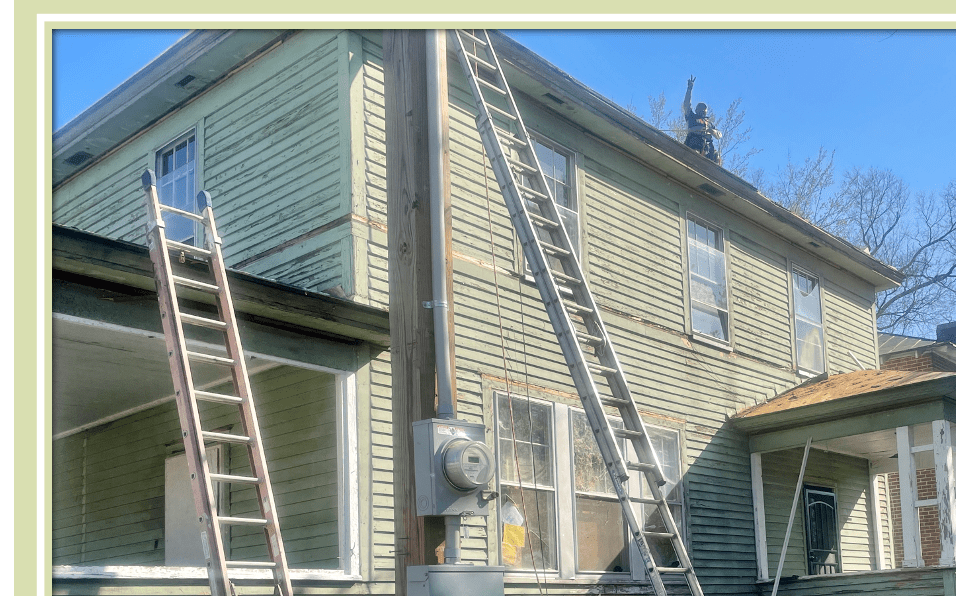
This is one of my favorite photos of a roofer waving down to me from a Howell St. home. A workman helping to save an architectural gem.
Preservation projects, large and small, create jobs in construction and skilled trades. From restoring a building’s façade to ensuring that its structure meets modern needs, the work involved requires skilled labor. Local contractors, designers, and craftsmen gain employment, helping to strengthen the job market.
When historic buildings are preserved and repurposed, they increase the value of surrounding properties. This ripple effect is a key reason why historic preservation is a stabilizing force for neighborhoods as well. Studies have shown that homes and businesses in areas with well-maintained historic structures see higher property values compared to areas with little preservation activity.

People are drawn to places with rich histories. When we preserve and promote our historic landmarks, we create a destination for tourists who seek to experience the stories behind the buildings. This influx of visitors brings in revenue for local businesses, restaurants, and hotels, creating a thriving tourism economy that benefits everyone.
One of the key drivers of historic preservation is the availability of tax credits and incentives for both property owners and developers. The federal government and states like North Carolina offer programs that make it financially easier to take on a preservation project. These incentives not only reduce the upfront costs but also provide long-term financial benefits, making preservation a wise investment.
Finally, the value of historic preservation extends beyond dollars and cents. By preserving our architectural heritage, we strengthen the cultural identity of Rocky Mount. The sense of pride and connection that residents feel toward their historic buildings fosters a strong, cohesive community. It’s a reminder that our past is not only worth preserving, but it is also the key to a vibrant future.

This is why I write, “Come downtown and support preservation efforts in Rocky Mount by shopping locally, supporting historic building restorations, and advocating for policies that encourage preservation.”
The heart of Rocky Mount is its historic Main Street—a place where time-honored buildings tell the stories of our community’s past while shaping our future. In past blogs, I know I don’t write enough about the economic advantages of saving Main Street. Preservation isn’t just about maintaining old buildings; it’s about unlocking their economic potential. When we invest in preserving our architectural heritage, we are not only honoring our roots but also fostering economic growth.
As we move forward in revitalizing Rocky Mount, let’s remember that the preservation of our historic Main Street is not just an aesthetic choice—it’s a powerful economic strategy. By supporting preservation projects, we are investing in our community’s future, creating jobs, boosting property values, and attracting tourists. Let’s continue to honor our past while building a brighter, more prosperous future for all.
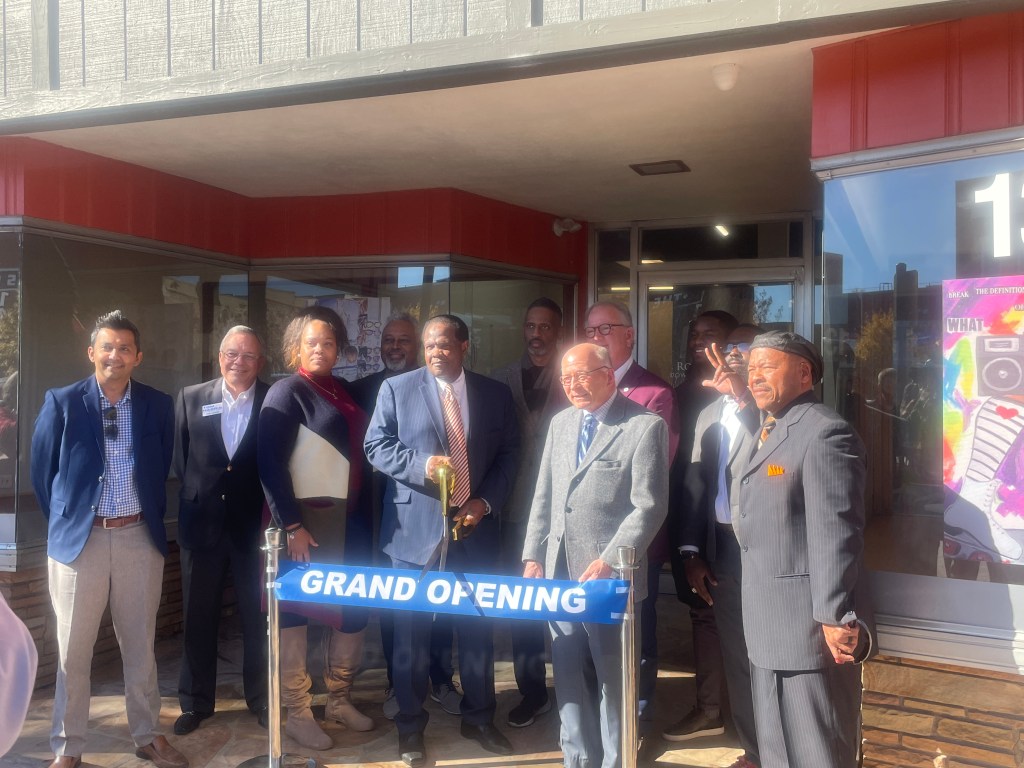

 Main Street Rocky Mount