Rocky Mount’s historic Main Street tells a story. It’s a narrative of resilience, enterprise, and culture—a place where generations of entrepreneurs built businesses and communities flourished. As I walk along this street, I see glimmers of progress and promise: restored facades, new businesses breathing life into old spaces, and a renewed sense of pride in our shared heritage. But alongside these successes, I also see the cracks—literally and figuratively—that threaten the integrity of our historic architecture and, more importantly, our community’s identity.
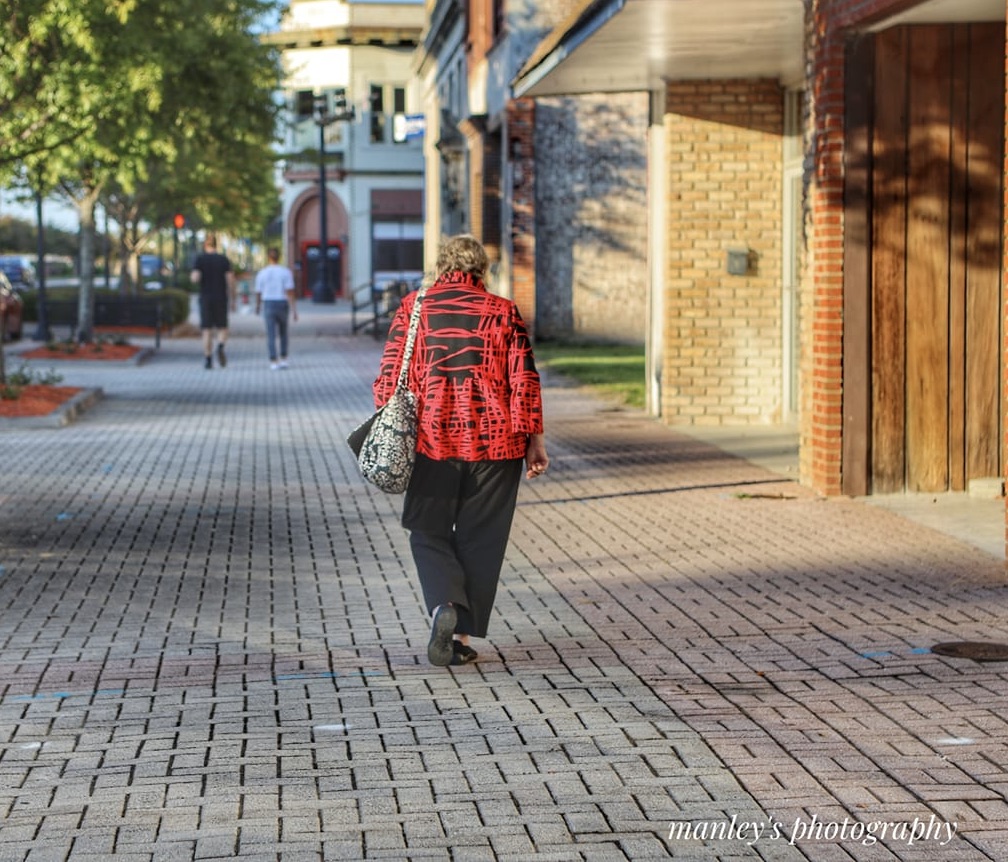
Let’s not mince words: the deterioration of our historic commercial buildings is a crisis that cannot be ignored. Each day that passes without action, these irreplaceable structures edge closer to the point of no return. The stakes are higher than the brick and mortar; they’re about the soul of our city and the economics of preservation.
I enjoy taking the role of cheerleader for Rocky Mount, celebrating our city’s wins and encouraging optimism about the future. That optimism is genuine. I believe in this city and the incredible people who call it home. But as a voice for preservation, I cannot overlook the reality that neglecting our historic architecture often perpetuates inequities and lost opportunities. When historic buildings are allowed to decay, it disproportionately impacts communities that have already borne the brunt of economic disinvestment. This reality cannot be ignored, and addressing it requires actionable solutions.
Preservation isn’t just about aesthetics or nostalgia—it’s a proven economic driver. Restoring and repurposing historic buildings attracts businesses, residents, and visitors. It creates jobs, raises property values, and fosters a unique sense of place that no new construction can replicate. Yet, despite these benefits, barriers remain. Some of these obstacles are structural—limited resources, aging infrastructure—but others are political and rooted in control dynamics that stifle progress.
One of the challenges I see is a lack of alignment between those who recognize the value of preservation and those whose agendas—or lack thereof—create obstacles. This is not about finger-pointing but about finding a way forward. A lot of the progress happening often comes not by confronting barriers head-on but by finding ways around them. Collaboration with non-profits, private developers, and community advocates has proven to be an effective strategy in other cities, and in Rocky Mount.
For example, incentivizing private investment through historic tax credits, grants, and streamlined permitting processes can mobilize resources and momentum. Public-private partnerships can create innovative solutions that benefit all stakeholders. And while government leadership is critical, we cannot wait for consensus where there is inertia or resistance. Communities thrive when citizens take the lead—when we advocate, innovate, and build partnerships that bypass roadblocks and focus on what is possible.
To those in decision-making roles, I say this: preservation is not the enemy of progress; it is a cornerstone of it. The communities we build tomorrow will stand on the foundations we preserve today. To my readers and fellow advocates: our voices matter. When we speak up for preservation, we’re speaking up for a stronger, more vibrant Rocky Mount. Let’s continue to push forward, not with anger but with resolve, not with division but with vision.
Let’s protect what makes Rocky Mount unique. Let’s honor our past while building our future.


 Main Street Rocky Mount
If there’s any progress in the background, it’s not manifesting itself quickly enough to be seen or felt. Downtown still feels the same as it did 5 years ago (with slight changes). If I ride through at night or day–it’s pretty much the same. There’s not enough action to stir the people–especially those who feel that RM is just talk when it comes to Downtown. The Mills is constantly busy, Cobb Corners–busy, Westridge–busy! Even Stone Rose is busier than Downtown.
I don’t know what the problem is or problems are for not jumpstarting Main Street. Maybe it has had its time and now it’s time for something else. That’s problematic because it’s the hub for Amtrak and the bus systems and so when folks ride through and still see the deadness to the area–what is to attract them? Again, we have a Cheesecake factory, a Sarah Lee factory (well, Tarboro does) and those businesses should have a window shop right Downtown! How nice would it be to see “Cheesecake Factory cakes” right near “Kafe Louverture”!
Anyway…the longer folks wait without hope, they’ll seek other places to make their dream happen. Main Street might be a raisin in the sun…:(
I’m still waiting on information regarding the heavily anticipated MetroNet for better internet service. That introduction of them was about 2 years ago. Saw some action, signed up for news alerts, heard nothing. This is not the first of these experiences for me. Maybe this is how RM operates and maybe why there are no upgrades to Downtown. :(–LL
LikeLike