
The rumors you’ve heard are true. I have taken up with Henry Kissinger this summer. The brutal heat, however, has driven me from my Main Street bench inside with air conditioning. Most things I read and research influence my approach to writing the blog. Whether it’s current events, exploring historical figures like Henry Kissinger, or delving into diverse subjects, each experience influences the insights I want to share. I want the blog to be a combination of ongoing exploration and learning. The summer relationship I’m having is taking place within the 2421 pages of the first volume of Kissinger’s memoirs-The White House Years.

When you’re working on a puzzle and find that the last piece is missing, it’s frustrating. That’s how I felt when Lee’s statue came down in Richmond, VA. I was outraged, not just because a work of art was destroyed, but because an important piece of the American puzzle was lost. This event profoundly impacted my reading life. It may take all summer to read this book, but oh, what splendid company I am enjoying. This is not a frivolous relationship. Last time I looked Kindle estimated it would take 72 more hours to finish the book!!!
In his work, Kissinger provides vivid and insightful profiles of influential world leaders such as Richard Nixon, Anwar Sadat, Golda Meir, King Hussein of Jordan, Leonid Brezhnev, Chairman Mao, Chou En-lai, Willy Brandt, Charles de Gaulle, and numerous others. “White House Years” is thought to be Henry Kissinger’s essential and enduring contribution to understanding the pivotal events of this significant era. The phenomenal writing makes the length of the book a no never mind.
WHAT GOES AROUND, COMES AROUND IN TODAY’S NEWS
In his memoir “The White House Years,” Henry Kissinger details the complex geopolitical maneuvering required to manage the balance of power between China, the Soviet Union, and the United States during the Cold War. The primary problem lay in the ideological and strategic rivalry between the Soviet Union and China, which presented both challenges and opportunities for the United States.
Kissinger’s “triangular diplomacy” aimed to leverage these tensions, playing China and the Soviet Union against each other to benefit the U.S. The core problem was maintaining a balance to prevent China and the Soviet Union from forming a closer alliance or escalating hostilities. If you are watching TV news just now, the same problem is occurring. When I write about Kissinger on a blog about Preservation, Restoration and Repurposing it is because I have trouble compartmentalizing the world around me. Nothing is wasted to help me make this journey
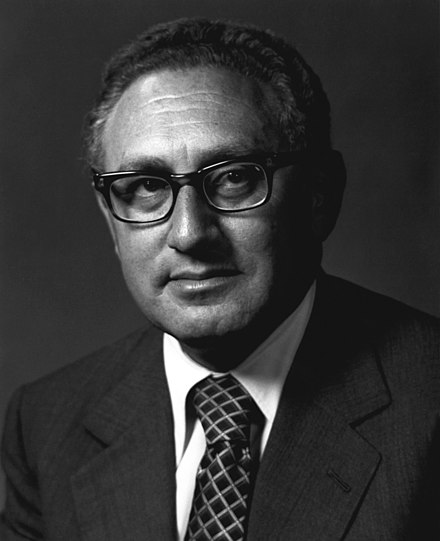
Below his official portrait, 1973

 Main Street Rocky Mount