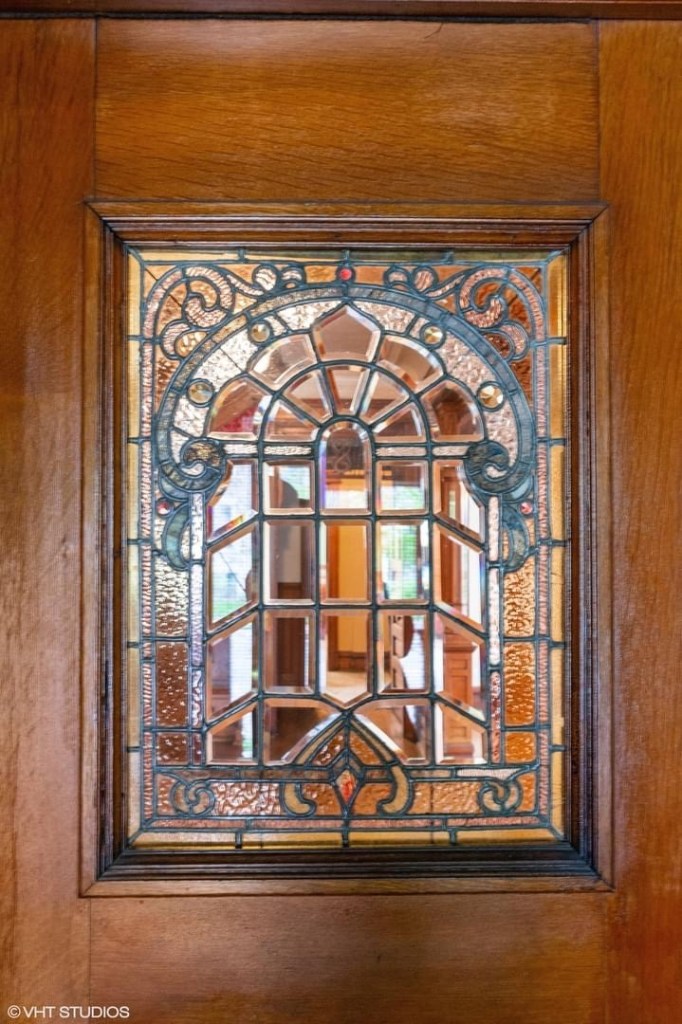
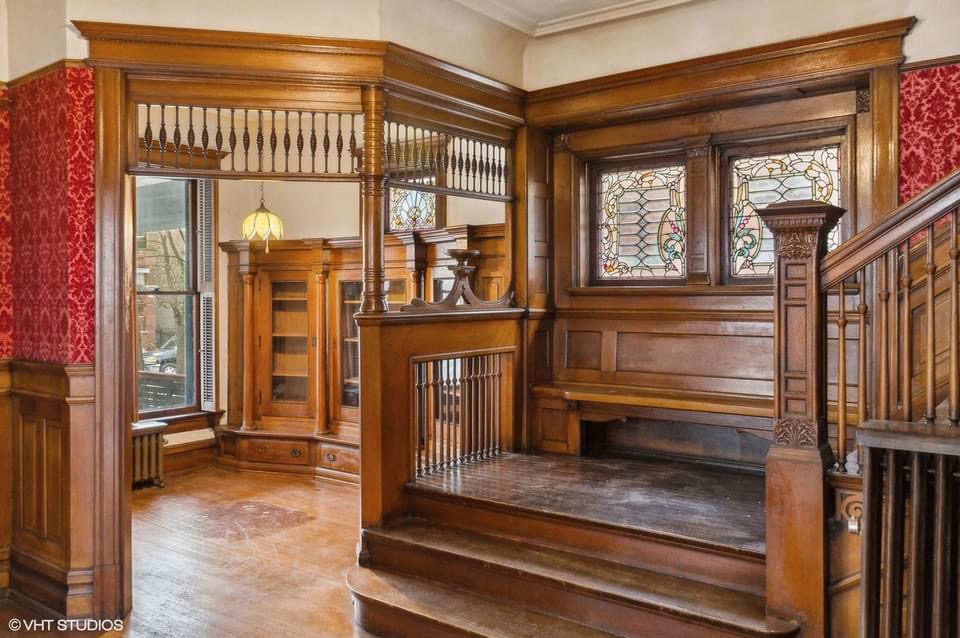
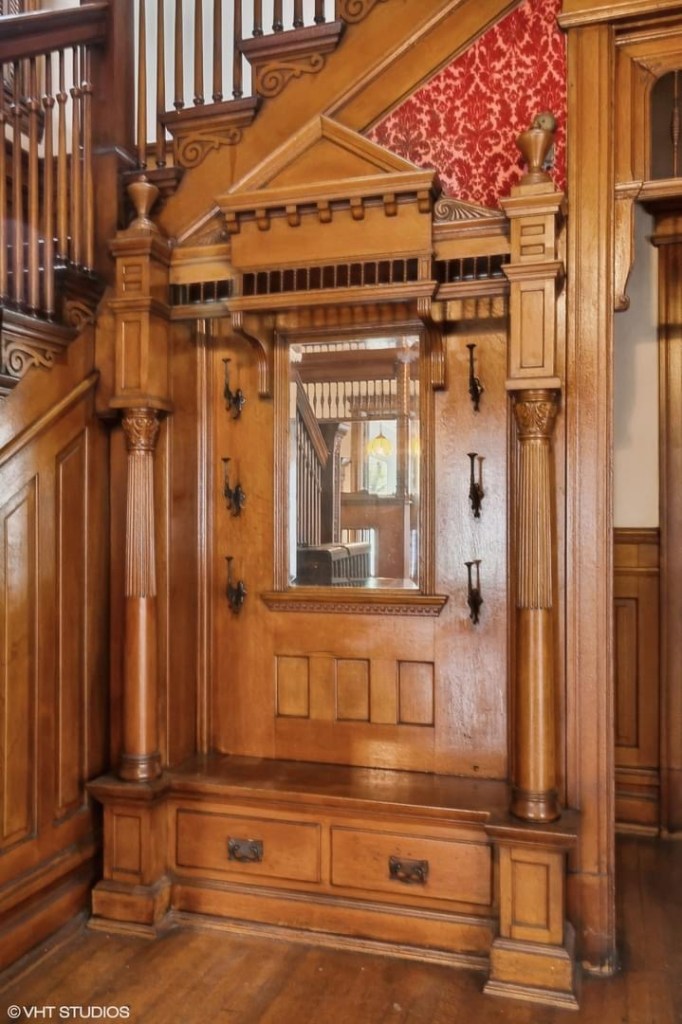
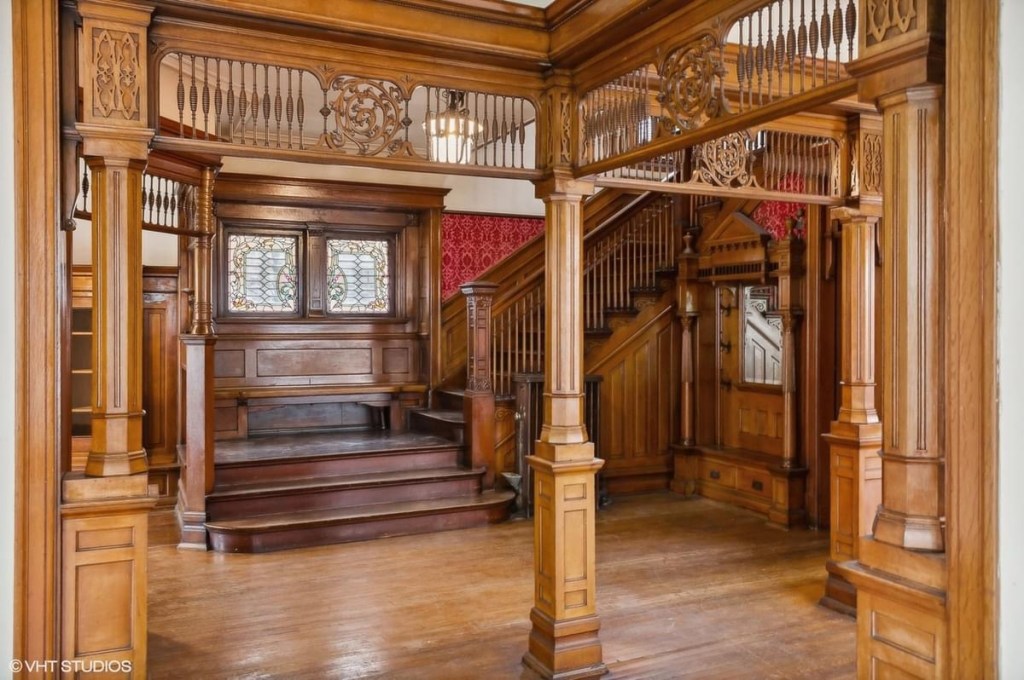
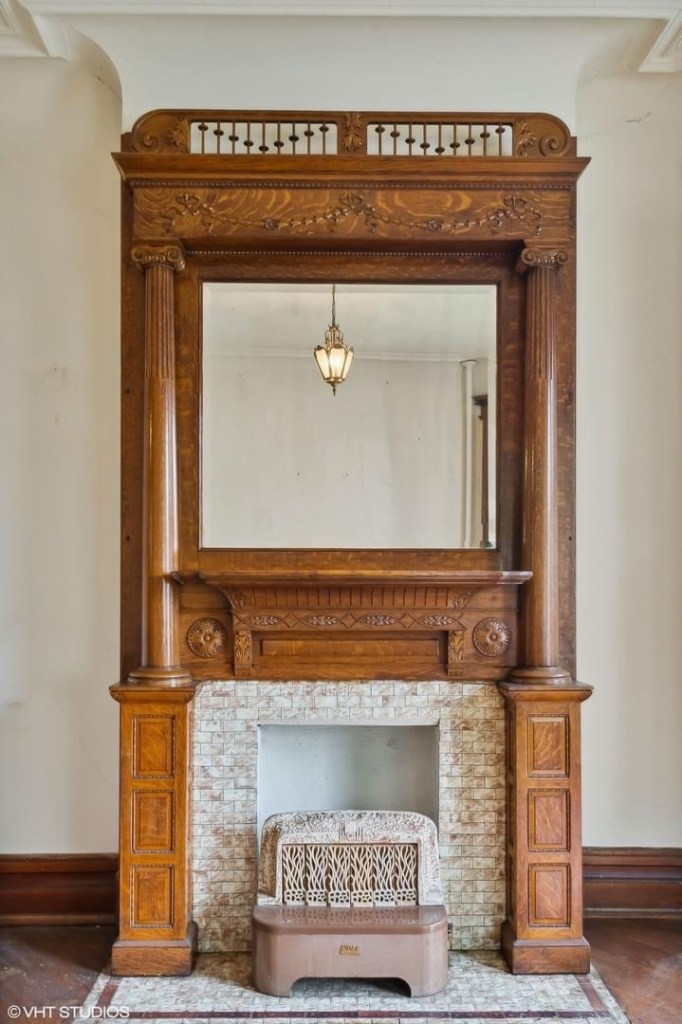
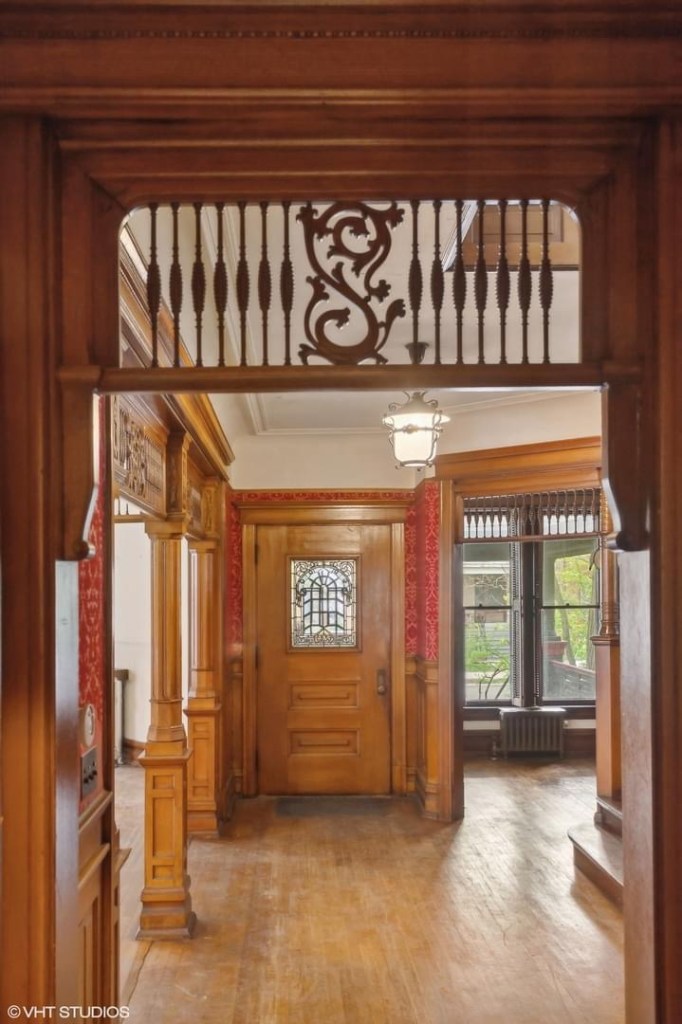
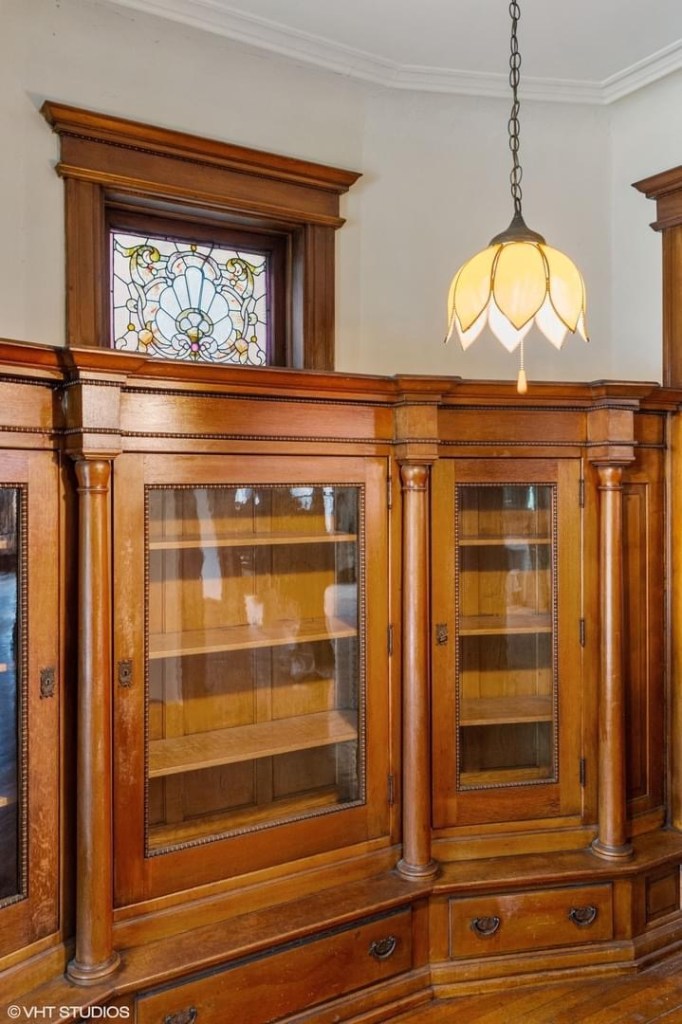
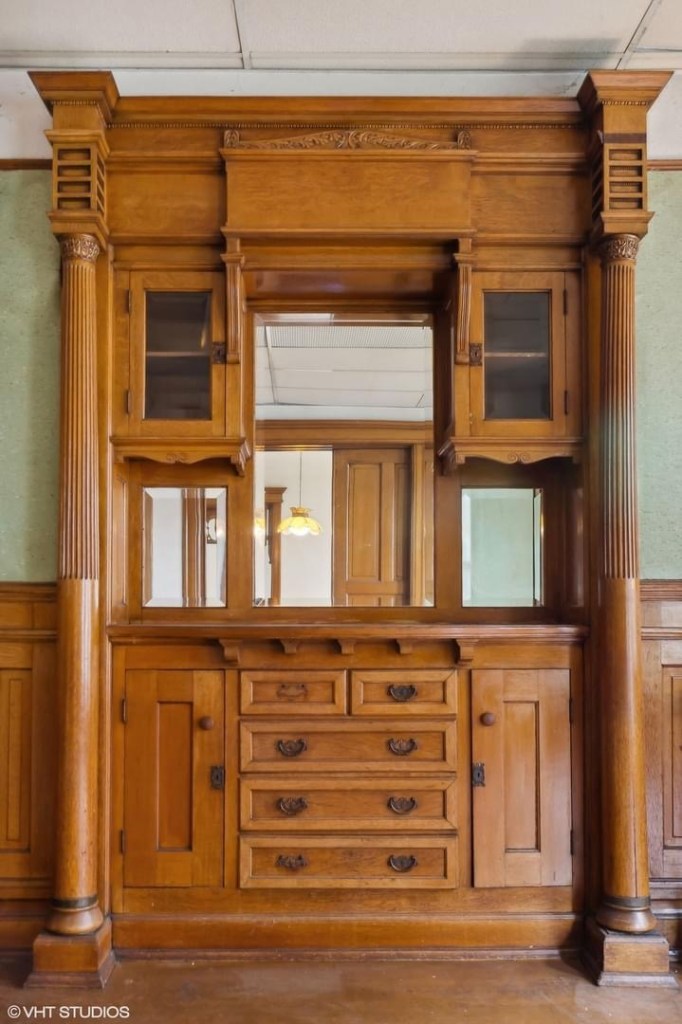
As an avid follower of several blogs dedicated to Craftsman architecture, I was thrilled to come across a standout article. This piece features a Chicago home with interior photographs that are truly spectacular. While the overall design might be a bit overwhelming, I encourage you to view the photos as standalone examples of perfection. When it comes to restoration, Rocky Mount boasts a remarkable inventory of Four Squares, bungalows, and more.
In restoring a home, the goal is to save as many of the original elements as possible. This not only maintains the historical authenticity of the building but ensures better craftsmanship and materials than modern alternatives. It is essential to select styles and materials that closely match the original design. For example, using wood instead of vinyl and maintaining the original dimensions and proportions can make replacements blend seamlessly with the rest of the architecture.
Choose an appropriate color palette for the exterior that reflects the historical period of the home. Researching the historical colors used during the era when the home was built can provide guidance, and using high-quality, weather-resistant paints can help preserve the aesthetic and structural integrity over time. Additionally, consider using period-appropriate hardware and fixtures to further enhance the authentic look of the restoration.
When learning the language of preservation, restoration, and repurposing, add to your brilliance by knowing that the American Foursquare, is an American house vernacular under the Arts and Crafts style popular from the mid-1890s to the late 1930s. This architectural style was a reaction to the ornate and mass-produced elements of the Victorian and other Revival styles popular throughout the last half of the 19th century.
This architectural style blends Prairie School and Craftsman elements, focusing on simplicity, functionality, and natural materials. Known as the Transitional Period style, it bridges Victorian and modern designs. The American Foursquare, a key example, has a boxy, two-and-a-half-story structure with a four-room layout on each floor. It typically features a large front porch with wide stairs and a low-hipped roof with a central dormer. Understanding the American Foursquare provides valuable insight into early 20th-century American architecture and the cultural shifts towards simplicity and practicality in home design.
The beautiful photographs are by BRAD LIPPITZ from the following article:





 Main Street Rocky Mount