
If you read this blog with any regularity, you know I have ‘a thing’ for bungalow architecture. It was not something I grew up with in Evanston, IL. When moving to Nashville, NC, I found within the heart of Rocky Mount, a treasure trove of architectural gems that weave together the rich tapestry of the city’s history. Serving as homes for families and contributing to the community’s architectural identity, bungalow homes can be seen as symbols of Rocky Mount’s heritage, embodying the Rocky Mount story.
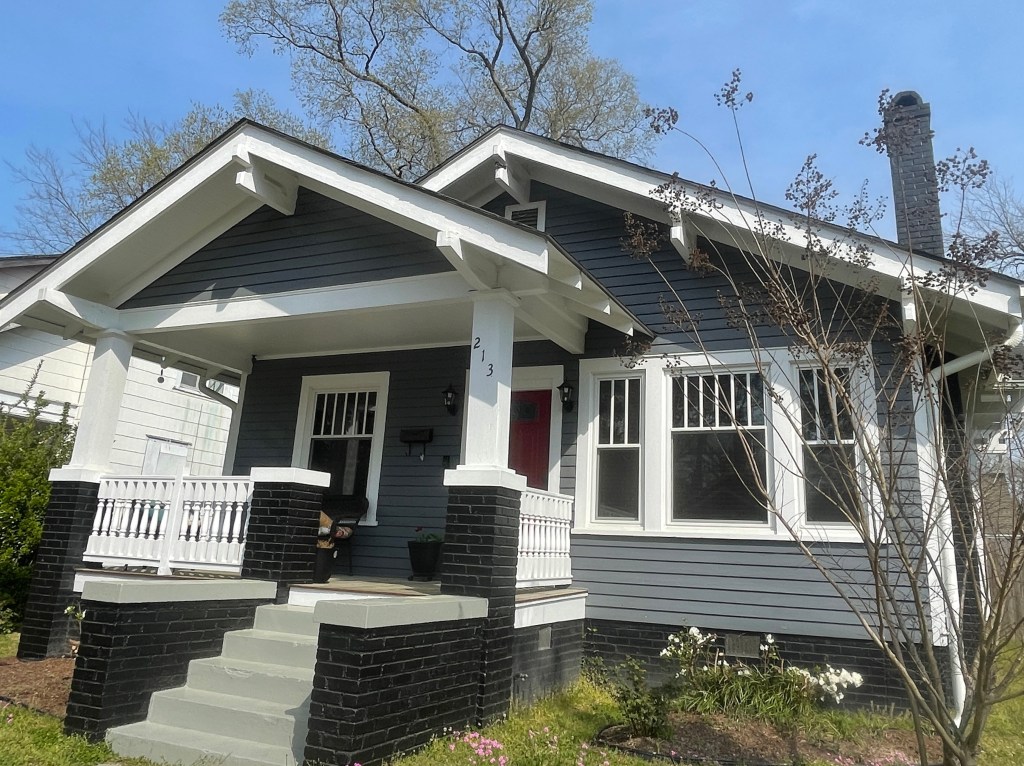

In the realm of American architecture, few styles carry the cozy charm of the bungalow. Originating in the early 1900s concurrently from both coasts, the bungalow quickly became a staple of residential design, thanks to innovative minds like Charles and Henry Greene of Pasadena, California, and the influential Gustav Stickley of New York. Stickley’s magazine, The Craftsman, popularized the bungalow movement by disseminating blueprints and floor plans to a broader audience. The magazine was a monthly publication between 1901 and 1916 of the Arts and Crafts movement.
I have seen a Greene craftsman bungalow and garden on a Seattle garden tour. I have a beautiful coffee table book of the Greene’s work. I wish I’d known about the magazine sooner with an eye to collect them.
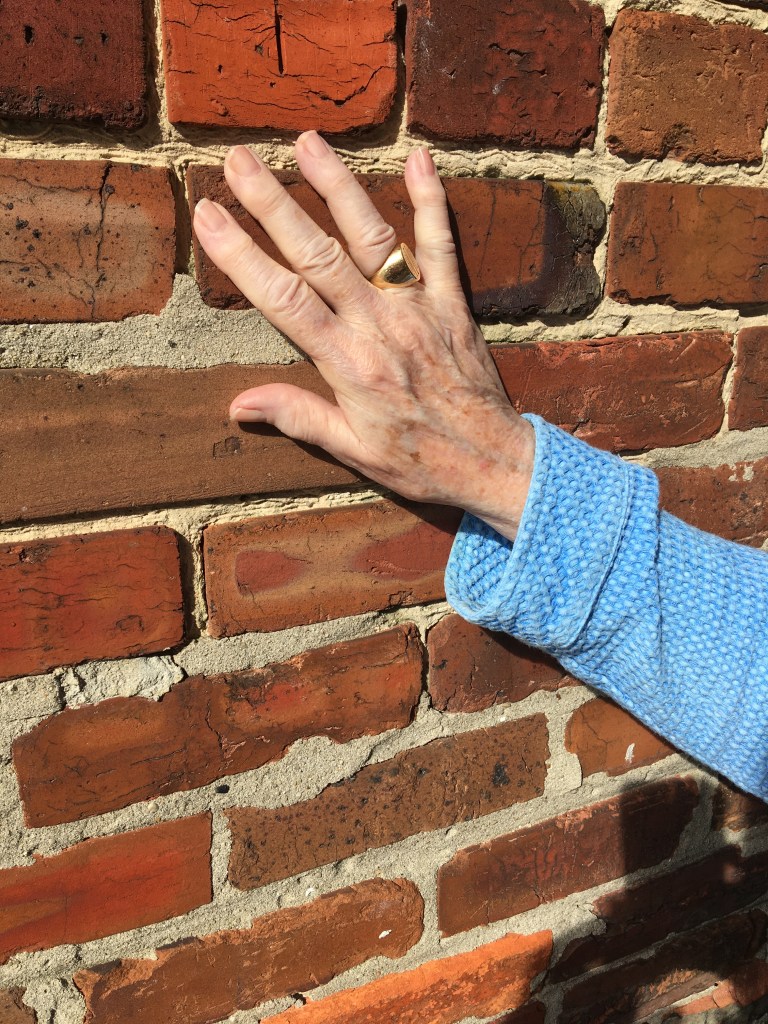
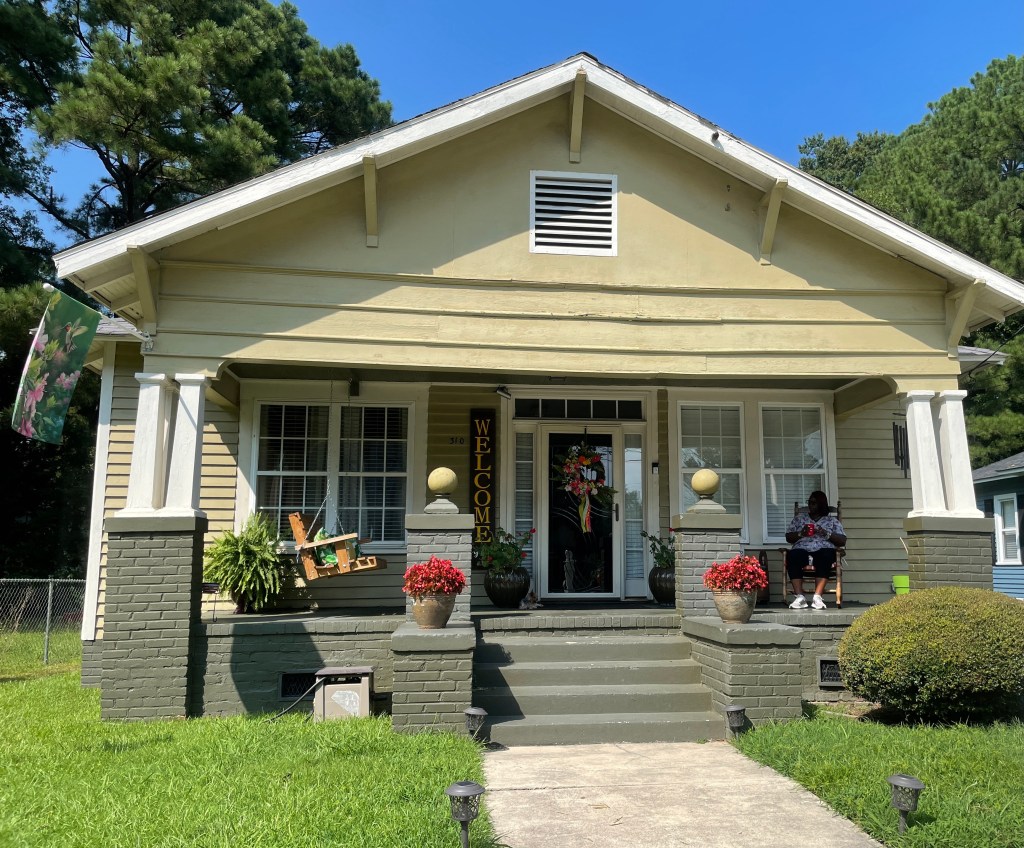
Bungalow homes in Rocky Mount are characterized by their distinctive features, including low-pitched roofs, inviting front porches, and exposed structural elements. Each bungalow tells a unique story, showcasing craftsmanship and design elements reflective of the era in which it was built. Preserving these architectural treasures is essential not only for maintaining the aesthetic integrity of Rocky Mount but also for honoring the artisans and builders who crafted these homes with care and precision. When you see a photo of my hand on a brick wall it is about that honoring. Beyond the architecture, for me, the allure of bungalows lies in their ability to evoke a sense of nostalgia.
In Part 1 about the William Daughtridge family and their 1915 Bungalow home, I offered glimpses into the culture at that time touching on the evolving social fabric of the city. Through preservation efforts, communities can celebrate and commemorate the contributions of diverse individuals and families like the Daughtridge family. By safeguarding bungalow homes, Rocky Mount honors its cultural heritage and fosters a sense of connection between past, present, and future generations.
Preservation initiatives involving bungalow homes in Rocky Mount provide opportunities for community engagement and collaboration. Residents, historians, preservationists, and local organizations can come together to advocate for the protection and restoration of these historic properties. Through education and outreach efforts, individuals can gain a deeper appreciation for Rocky Mount’s architectural legacy and become stewards of its preservation. This is one of the aims of the Main Street Blog.
Bungalow homes are more than just structures; they are living artifacts that embody the spirit and soul of Rocky Mount, North Carolina. By recognizing the significance of these homes and actively participating in preservation endeavors, residents ensure that Rocky Mount’s story endures for generations to come. As guardians of the past, present, and future, we celebrate the timeless beauty and cultural significance of bungalow homes, preserving Rocky Mount’s narrative one architectural gem at a time.


 Main Street Rocky Mount
We lived in a bungalow styled home at 623 Sycamore St. It was in good condition when my parents sold it in the 1990s. Unfortunately, subsequent owners did not repair a leaky roof which eventually destroyed the inside and it was torn down around 2009. It was a two story brick house with hardwood floors. It had a full width front porch, living room, dining room, bedroom and bath, pantry, and kitchen on the ground floor. also a small enclosed back porch. Three bedrooms and a bath upstairs. There was a walk down basement with the furnace and hot water heater. In the back was an open two car garage with a dirt floor. Behind the house was an alleyway where the garbage cans were kept.
LikeLike