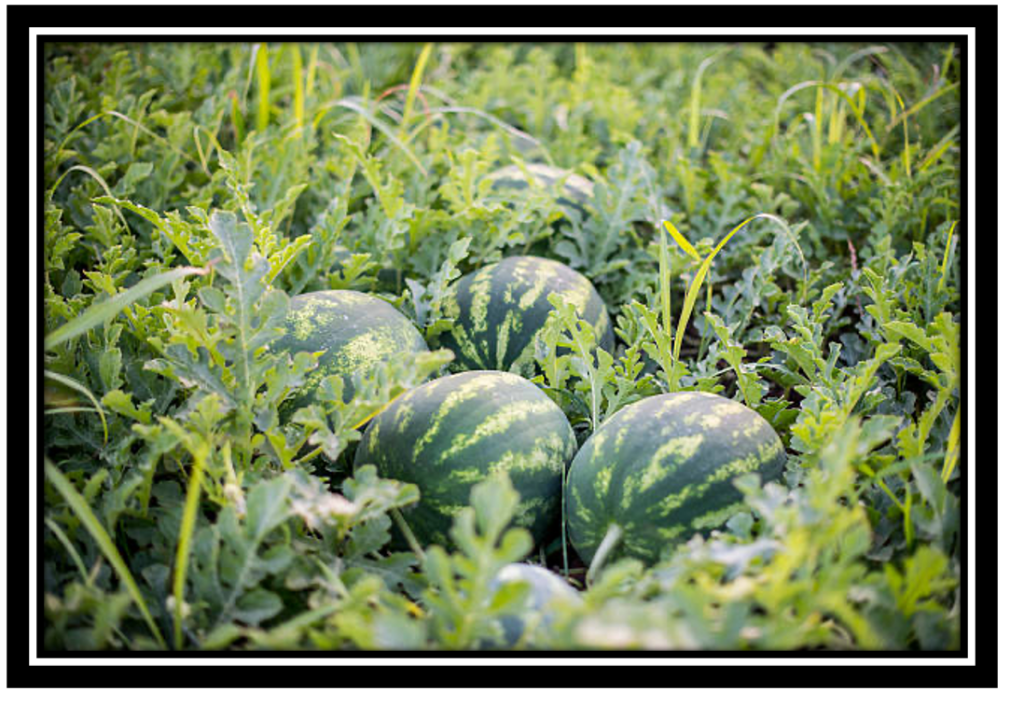
Sasha had tried to plant melons in his vegetable garden, they had never grown. He had tried two years in a row, nothing doing, the melons refused to grow. The following year, he had thrown the rest of the melon seeds to the birds. Further away, at the back of the vegetable garden, where there were piles of pots, rakes, watering cans, and planters. One of these birds, carelessly or mischievously, must have carried one of the seeds in its beak and dropped it in the middle of a path in the garden. A few months later, a fine plant had grown, and Sasha hadn’t pulled it up, just walked around it. It had produced two beautiful melons. Nice and plump, nice and sweet. And every year, it had again one, two, three, four, five.
from –Fresh Water For Flowers by author Valerie Perrin.
I often translate what I’m reading into Rocky Mount language. Valerie Perrin’s book is fantastic and gave me new imagery to think about when writing about saving our residential and commercial architecture. What does it take to grow melons in Rocky Mount’s vegetable garden? A head gardener and Under Gardener, which we have in our Mayor and City Manager. There are seven Head gardeners on staff each in charge of a different section of the garden. It is easy to understand why no melons grow in parts of Rocky Mount. The soil hasn’t been amended in years. The plants have gone to seed. Vines have been allowed to choke everything they cover. There is obvious neglect. How have certain staff kept their jobs in the areas that continue to decline? There are plenty of fine horticulturists that could do a better job.
From the same book, the lines below make me think of The Duchess of Howell St. and others who are the sun bringing life back to the faded glories of Rocky Mount architecture:
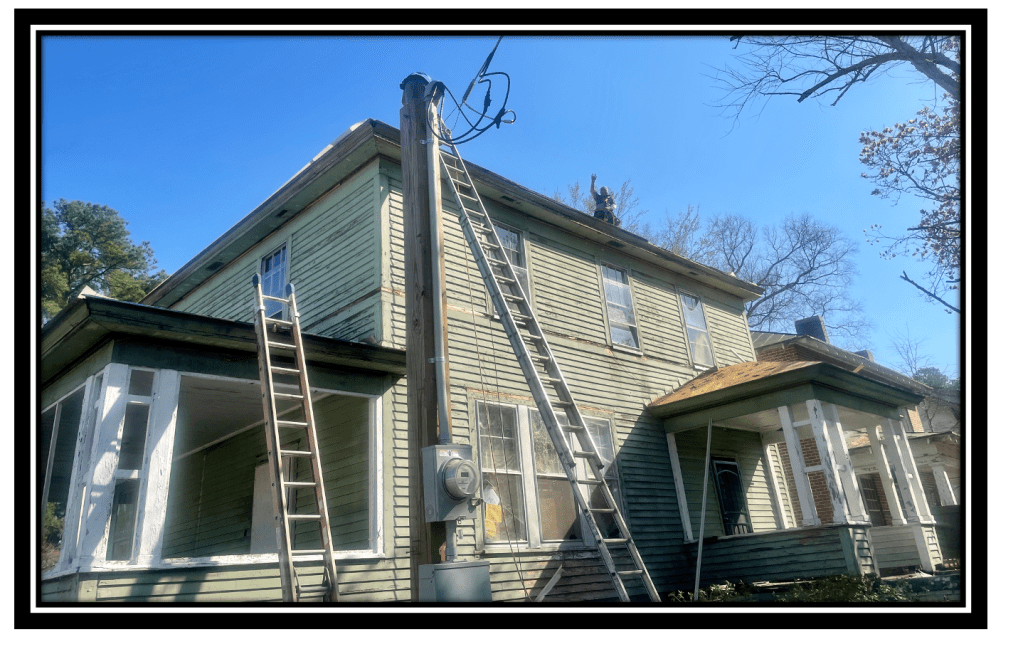
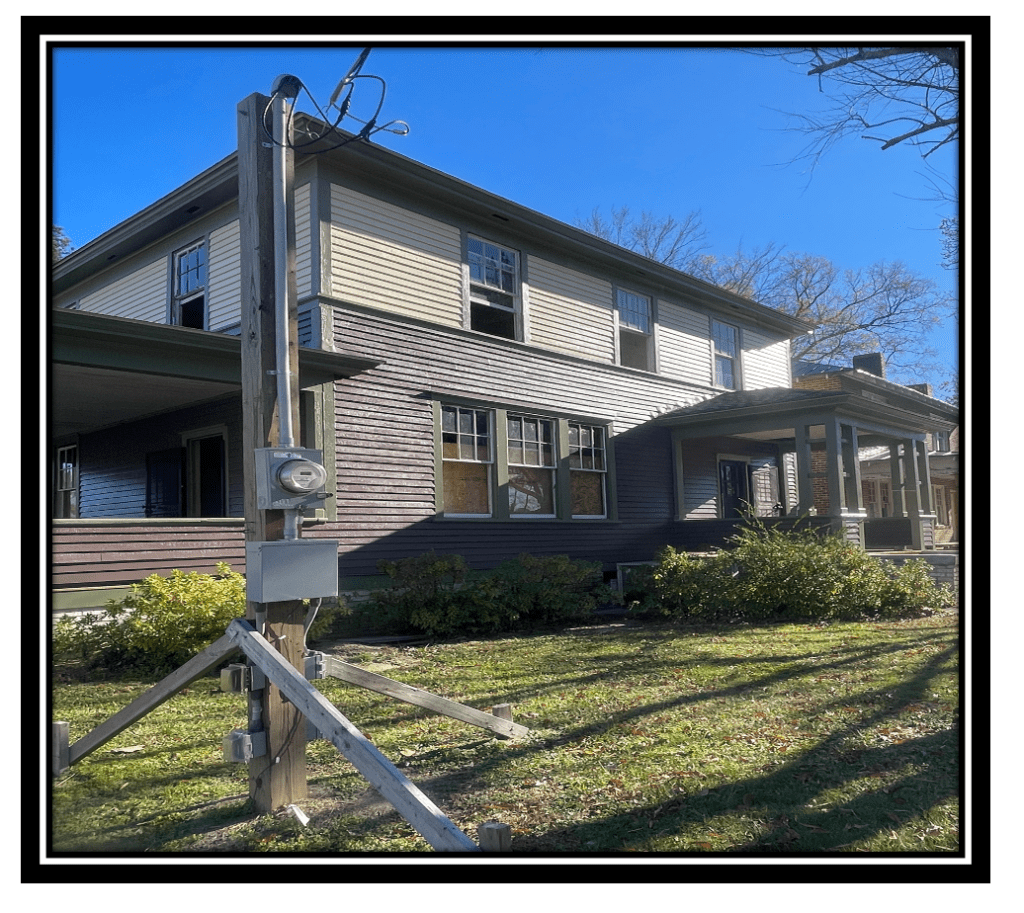

 Main Street Rocky Mount
Nice imagery Ms. Houghtlin, and as usual, well stated.
Paul Duffy
LikeLike